
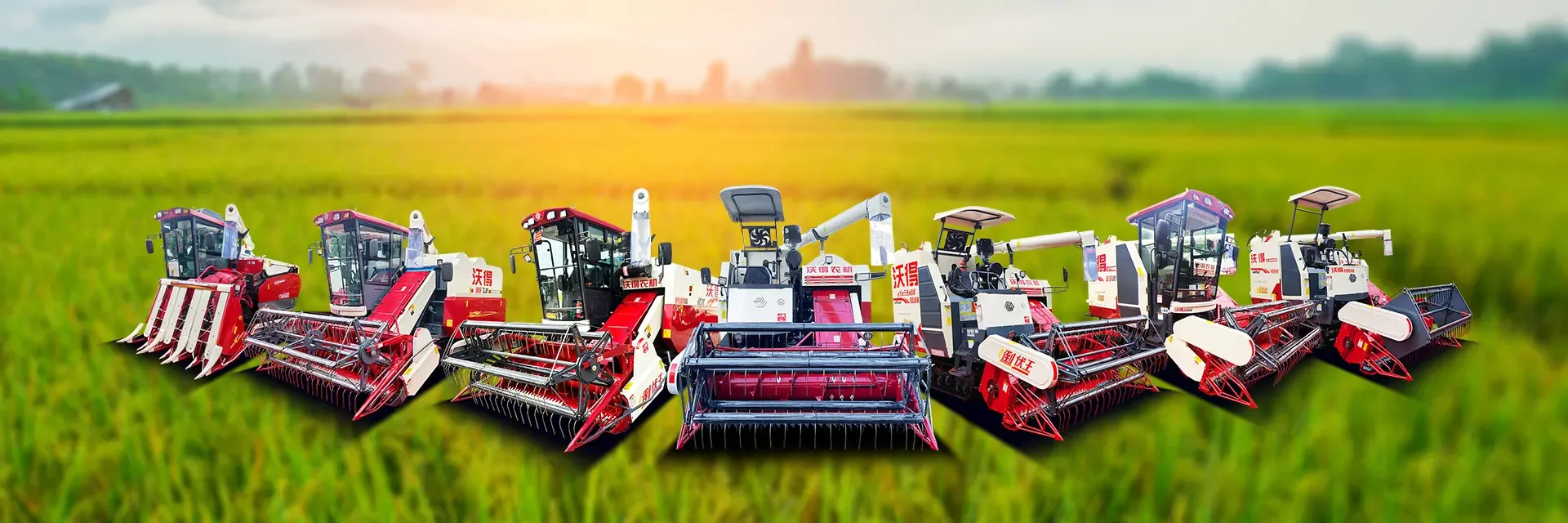
Crop Harvesting Machinery: Types, Working Process and Selection Guide
Explore FMWORLD harvesting machinery, understand the working process and compare machines against your actual operating requirements.
What Is Crop Harvesting Machinery?

Types of harvesting machines

Combine Harvesters
For rice harvesting, match the combine’s feeding capacity, cutting width and grain-handling arrangement to your fields and harvest window.
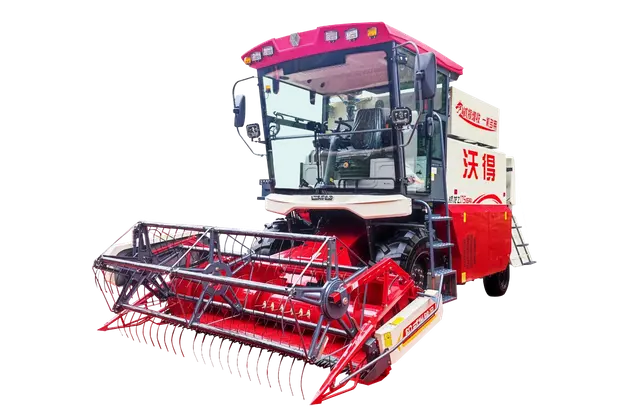
Wheat Harvesters
A wheat harvesting operation needs coordinated cutting, threshing, cleaning and unloading.
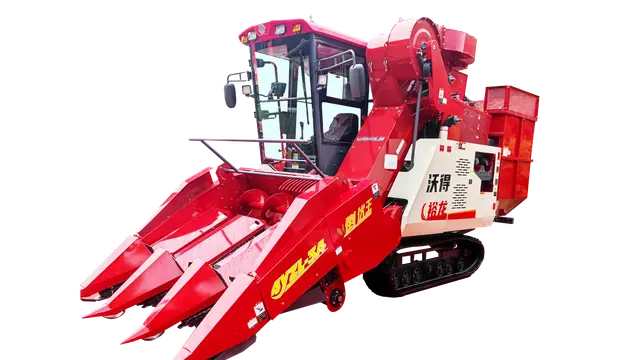
Corn Harvesters
Choose corn harvesting equipment according to planting layout and the output you need.

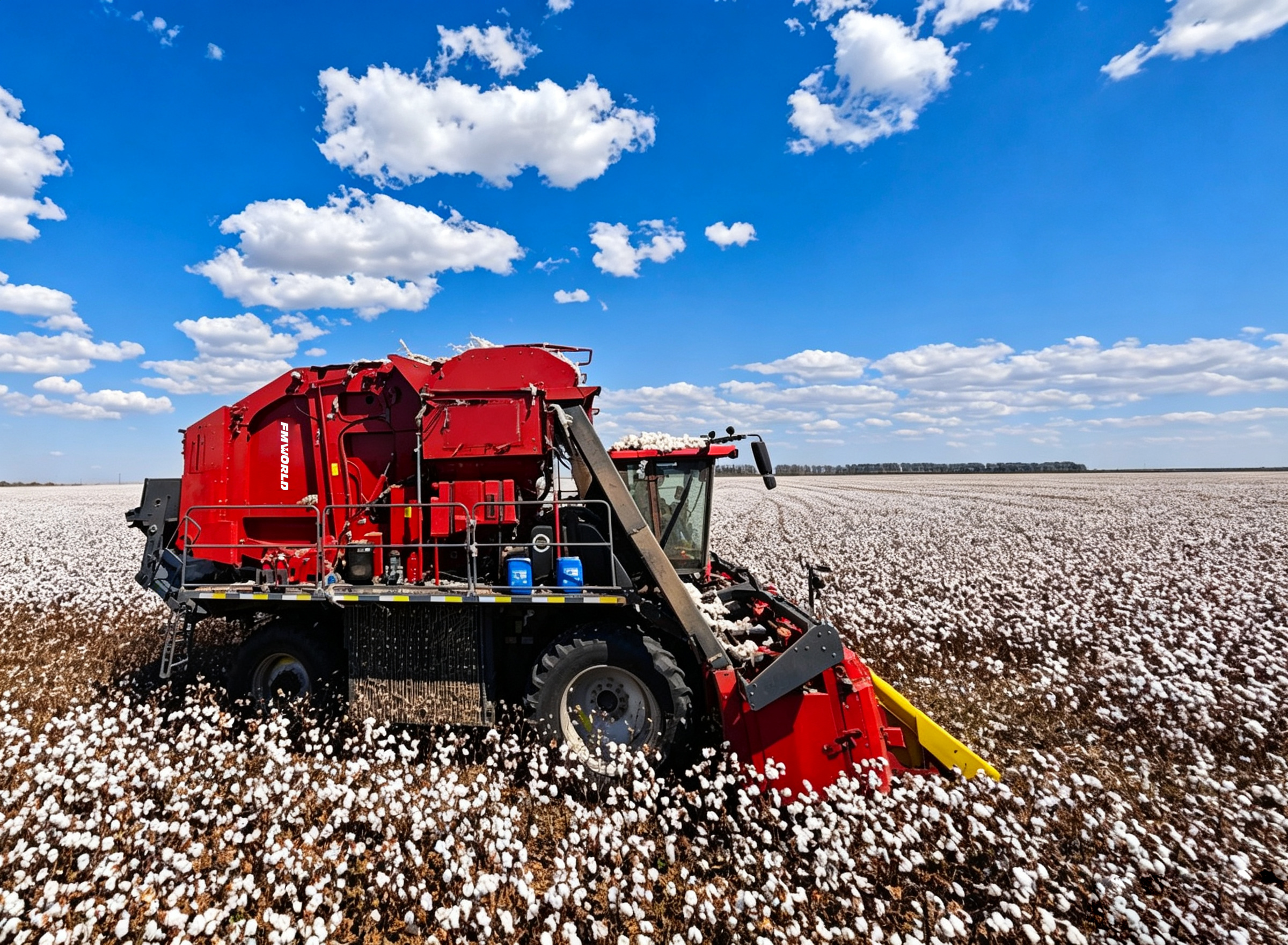
Cotton Pickers
Cotton harvesting machinery should fit the planting pattern as well as the seasonal workload.

Sugarcane Harvesters
Sugarcane harvesting requires the cutting and collection system to work with the plantation’s row layout and handling routine

Palm Picker
Palm plantation mechanization also involves collecting, moving and unloading fruit.
| Harvesting Machine Name | FMWORLD Product Example | Main Function | Suitable Users and Scenarios | Key Selection Checks |
| Grain combine harvester | Ruilong series | Combines harvesting and grain-processing operations | Grain growers and harvesting contractors comparing different machine sizes | Crop compatibility, feeding capacity, cutting width and collection method |
| Higher-capacity tracked combine | Ruilong Max 4LZ-8.0 | Grain combining with tank collection | Operations evaluating greater crop intake and tracked travel | Soil bearing capacity, unloading logistics and daily workload |
| Wheat harvester machine | 4YLZ-9 | Wheat harvesting with threshing and cleaning | Wheat farms requiring integrated grain harvesting | Field access, turning space, cutting width and grain transport |
| Corn ear harvester | 4YZL-3A tracked model | Ear picking and peeling | Corn farms requiring harvested ears and compatible row spacing | Planting layout, ground conditions and ear collection |
| Cotton picker | Three-, four- and six-row options | Cotton picking | Cotton-growing farms and specialist contractors | Row configuration, crop preparation and unloading arrangements |
| Sugarcane harvester | 4GD-1 | Cane cutting and collection | Sugarcane farms assessing single-row mechanization | Row spacing, headland space and cane handling |
| Palm fruit handling machine | 2WZL-1000 Palm Picker | Palm fruit handling and transport | Plantations mechanizing fruit collection and transfer | Access routes, ground conditions and receiving-vehicle height |
Combine Harvester: A Key Machine for Grain Harvesting

Why Is It Called a Combine?
Instead of cutting a grain crop, moving it to a separate thresher and then cleaning the grain in separate stages, a combine performs these functions as it travels through the field.
Its main systems handle:
- Crop cutting and feeding.
- Threshing.
- Grain separation.
- Cleaning.
- Grain collection and unloading.
- Straw and residue discharge.
This integrated arrangement makes the combine a central machine in mechanized grain harvesting.
FMWORLD Combine Options
The FMWORLD Combine Harvester range includes Ruilong, Feilong, Jielong and Half-Feed series. These provide starting points for comparing configurations within the grain-harvesting category.
For example, the Ruilong Max 4LZ-8.0 specification lists:
-8 kg/s feeding capacity.
-2,800 mm cutting width.
-550 mm rubber tracks.
-2.1 m³ grain tank.
-Air-conditioned cabin.
-Automatic grain unloading pipe.


How Does Combine Harvester Work?
Different agricultural harvesting machines use different mechanisms. For a grain combine, the working process follows six connected stages.
-Cutting and feeding: The header gathers the crop and the feeder conveys it inward
-Threshing: The threshing mechanism releases grain from the crop
-Separation: Remaining grain is separated from straw
-Cleaning: Airflow and sieves separate grain from lighter impurities
Collection and unloading: Grain enters the tank or collection arrangement
-Residue handling: Straw and chaff leave the machine
What Benefits Does Harvesting Farm Machinery Bring?
For a multi-crop project, list every intended crop when requesting a recommendation. Confirm the necessary header, settings and components for each application.
Fewer Separate Harvesting Operations
An integrated combine can reduce the need to organize cutting, threshing and preliminary cleaning as separate tasks. This simplifies the movement of crop material between operations.
Better Use of the Harvest Window
Matching machinery capacity to the workload helps farms plan around the available harvesting days. This matters because delayed harvesting can expose mature crops to lodging, shattering and weather-related deterioration. fao.org
Less Dependence on Manual Handling
Mechanized collection and unloading can reduce repetitive lifting and handling. The benefit depends on how the machine connects with trailers, bags, trucks or other receiving equipment.
More Control over Harvest Quality
Operators can inspect grain samples and field losses, then adjust the machine. Maintenance of cutting and gathering components also contributes to loss control.
A Clearer Basis for Fleet Planning
Farm owners and contractors can compare machines by daily workload, operating conditions and handling requirements. That creates a more useful purchase decision than comparing headline horsepower alone.
A Selection guide to Choose the Right Crop Harvesting Machinery
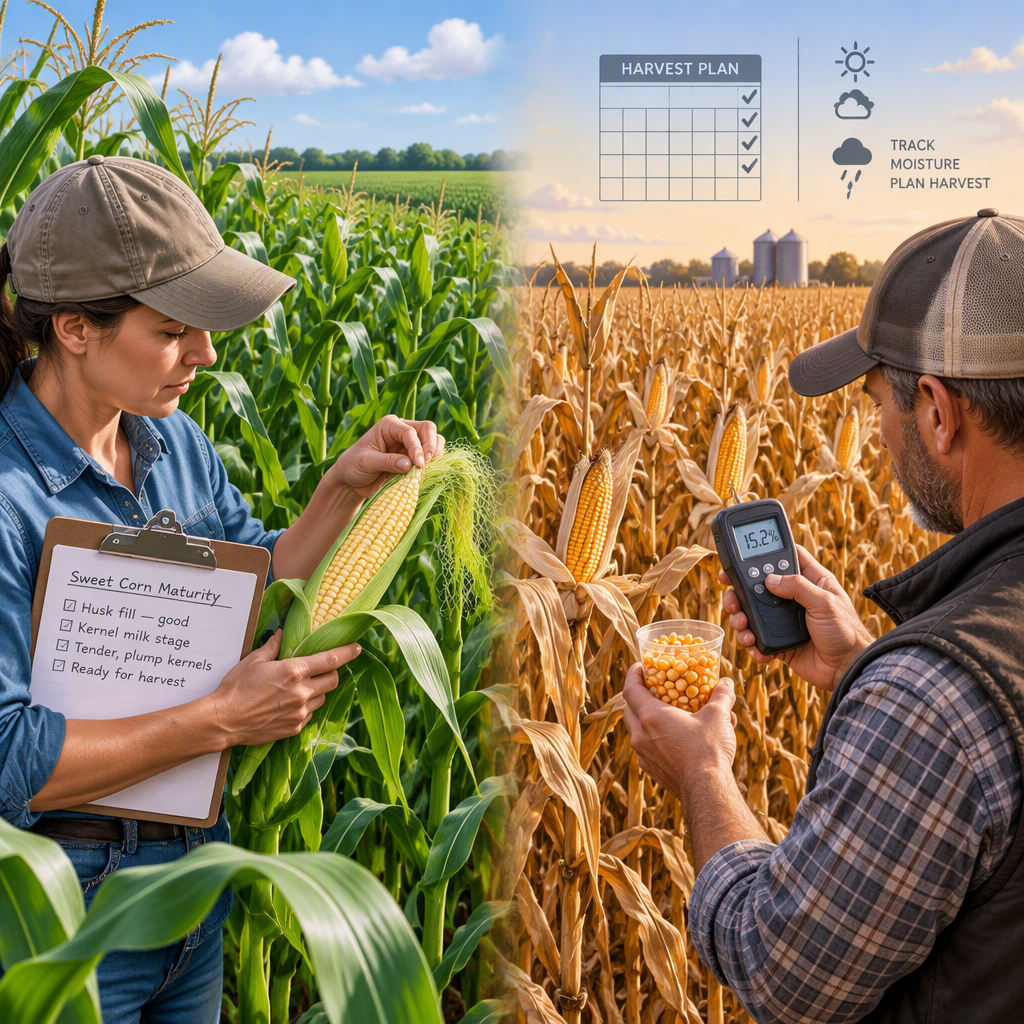
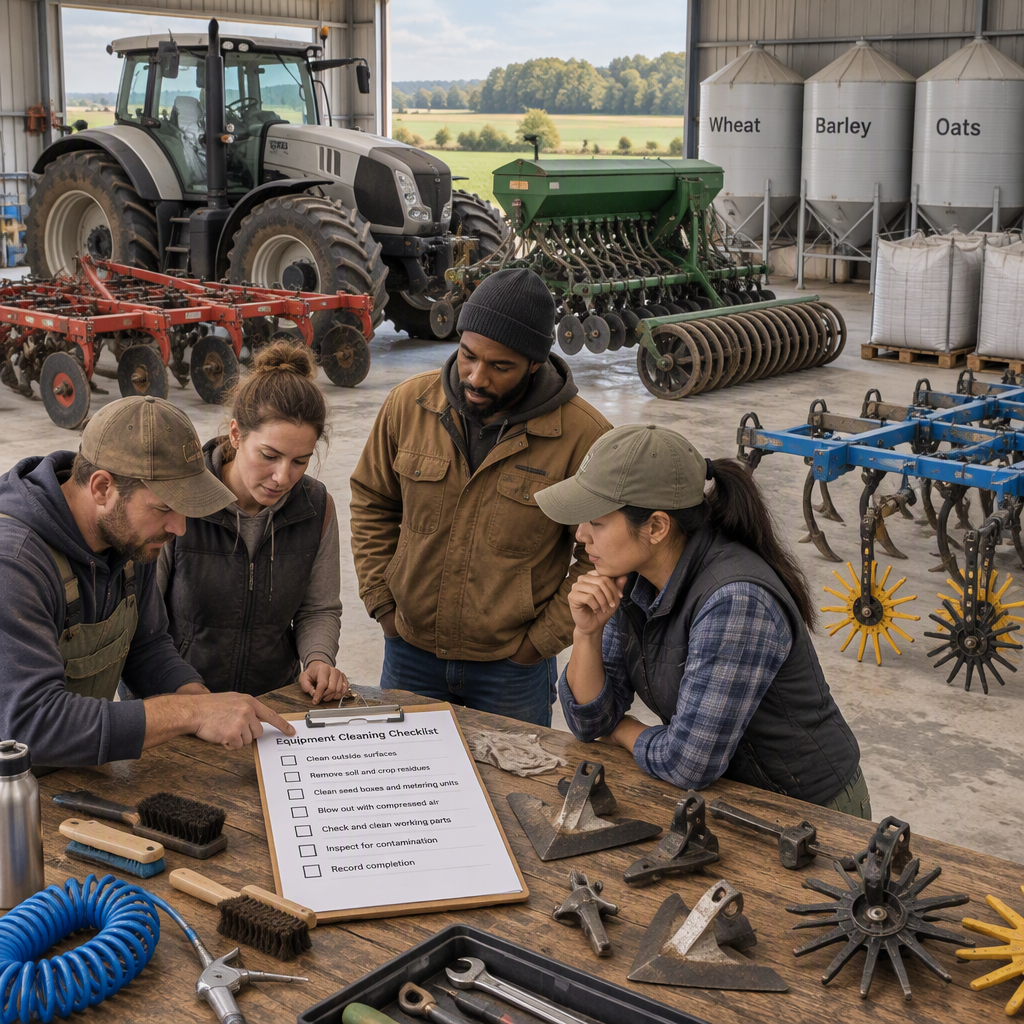
Start with the Crop and Required Harvested Output
Begin with what the machine must collect and deliver.
Include:
- Crop type and variety.
- Expected crop condition at harvest.
- Required harvested output.
- Collection, unloading and transport method.
- Any additional crops you intend to harvest.
Match the Machine to Field Conditions
The machine must be able to enter, turn and operate in your fields throughout the harvesting period.
Evaluate the complete chassis and machine dimensions against:
- Ground conditions: soil firmness, moisture and bearing capacity.
- Field layout: plot size, headlands, drainage channels and obstacles.
- Access: gate width, approach roads and transport restrictions.
- Terrain: slopes, uneven surfaces and required ground clearance.
- Planting pattern: row spacing and crop alignment.
Plan Capacity Around Your Harvest Window
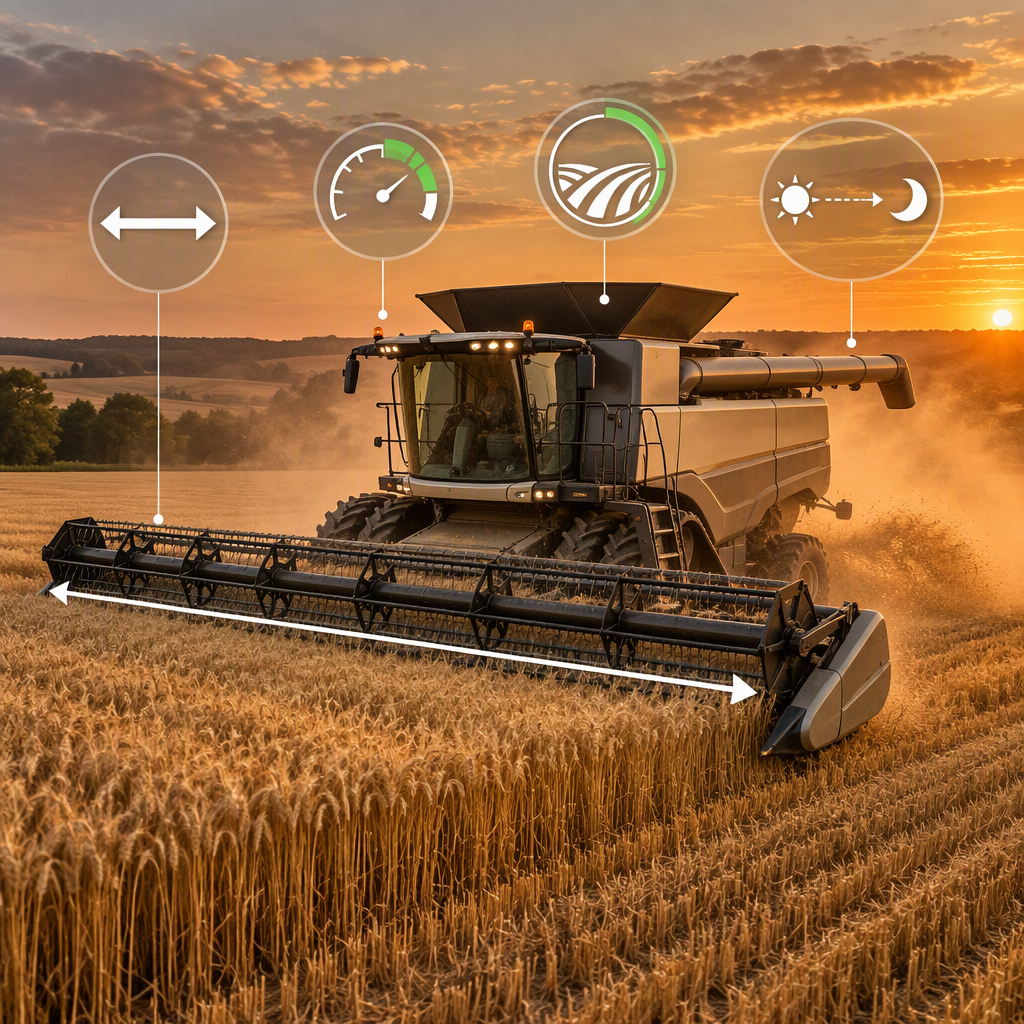
Seasonal area alone does not define the capacity you need. A farm harvesting within a short weather window may have different requirements from an operation with more available working days.
A useful starting calculation is:
Required average field capacity = Harvesting area ÷ Available working days ÷ Effective harvesting hours per day
Then allow for turning, unloading, relocation, maintenance and weather interruptions. The target should represent achievable daily output across the whole operation.
Why Choose FMWORLD for Harvesting Machinery?
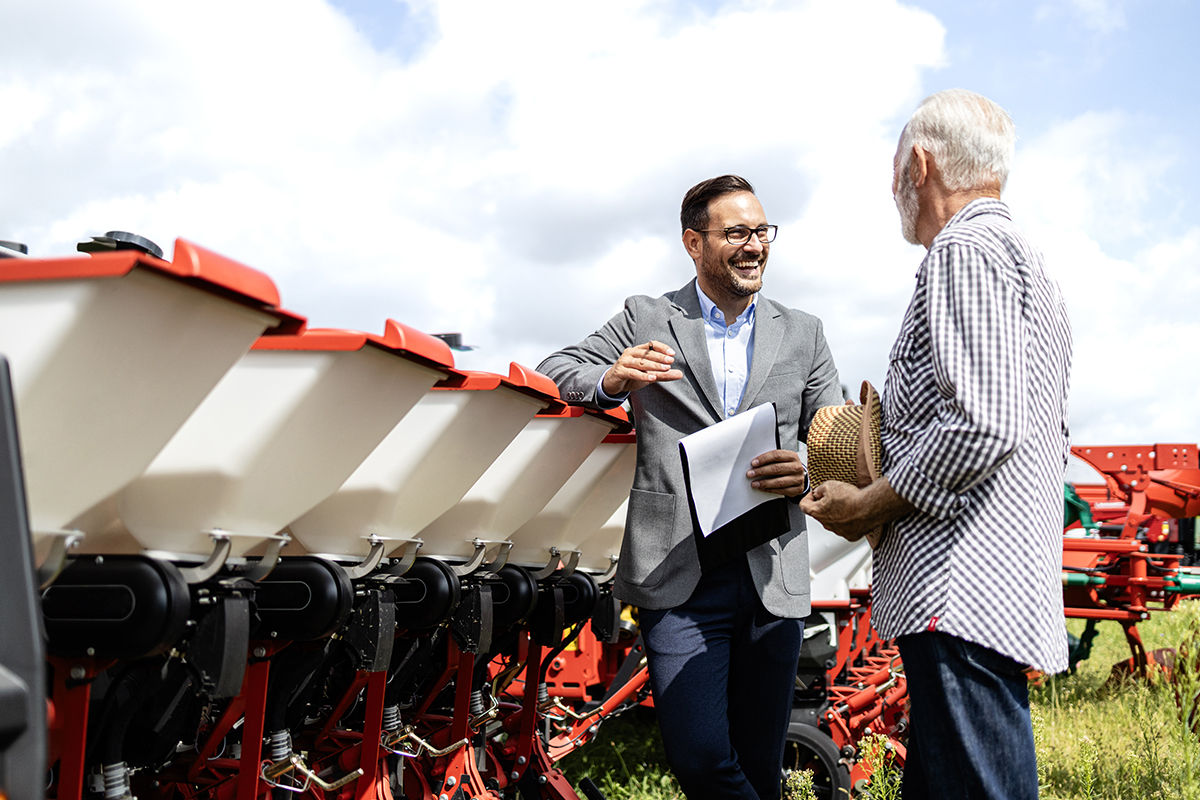
Agricultural Machinery Manufacturing Experience
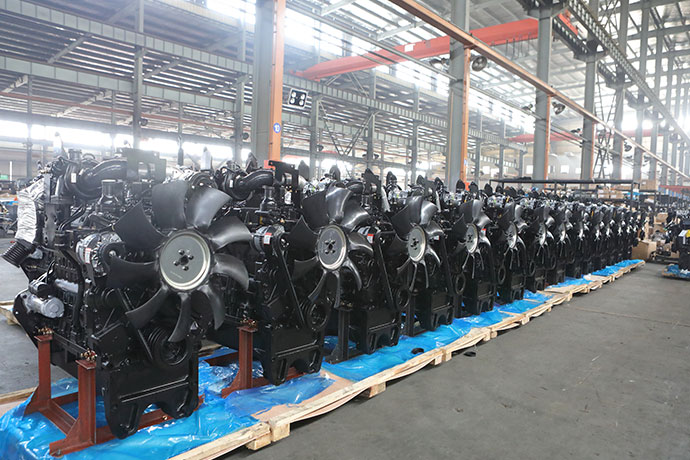
Manufacturing and Component Supply
Manufacturing facilities in China and Thailand, supported by the wider World Group manufacturing network. In-house component production forms part of this manufacturing capability.
A Product Range for Different Harvesting Tasks
Field Videos and Product Documentation
Use machine demonstrations alongside specifications to assess working arrangements and operator tasks. Explore our video library and manuals page, or request documentation for the model you are considering.

After-Sales Service
Spare Parts Support
Discuss operating questions, fault information and maintenance requirements with the service team.
Provide the machine model, identification details and required component information.

Leading Farming Machine Manufacturer of China | FMWORLD
As one of the biggest agricultural machinery manufacturers, FMWORLD has a wide product range including harvesting machines, agricultural tractors , rice transplanter, boom sprayers, agricultural drones, balers, grain dryers etc,.
Find the Right Harvester for Your Crop
a contracting operation or a machinery distribution business,
send the details below:
- Country and operating location
- Crop type and required harvested output
- Harvesting area and seasonal working window
- Field size, soil conditions and terrain
- Row spacing, where relevant
- Collection and unloading arrangements
- Preferred model or configuration
- Company name and contact details
Which crops can FMWORLD harvesting machinery handle
Our range includes machinery for rice, wheat, corn, cotton and sugarcane, alongside palm fruit handling equipment. These applications use different machines. Select the appropriate category first, then confirm the model and configuration for your crop.
How do I choose between crawler and wheeled harvesting machines?
Can one combine harvester work with different crops?
What information should I provide to receive a machine recommendation?
What after-sales service and spare parts support are available?

Crop Harvesting Machinery: Match the Equipment to the Crop and Output
Choose crop harvesting machinery by crop, output, field constraints, harvest window, and logistics, with combine and specialized harvester selection guidance.
Read More
Crop Harvesting Machinery for Soybeans: Header and Combine Requirements
Learn header, combine, setup and checklist requirements for selecting crop harvesting machinery for soybeans.
Read More
Crop Harvesting Machinery: Hay Tedder vs Rake—Which Do You Need?
Compare hay tedder vs rake functions, timing, risks, and FMWORLD model-fit checks to decide whether your hay system needs a tedder, a rake, or both.
Read More
Crop Harvesting Machinery and Grain Drying Systems: Choosing the Right Postharvest Setup
Choose crop harvesting machinery and grain drying systems by matching crop moisture, harvest flow, dryer capacity, site utilities, and storage needs.
Read More
Get Touch With Us
CONTACT INFO
+86-0511-86349102
+86-18835544603
County Road 207, Danyang City, Zhenjiang City, Jiangsu Province, China
