
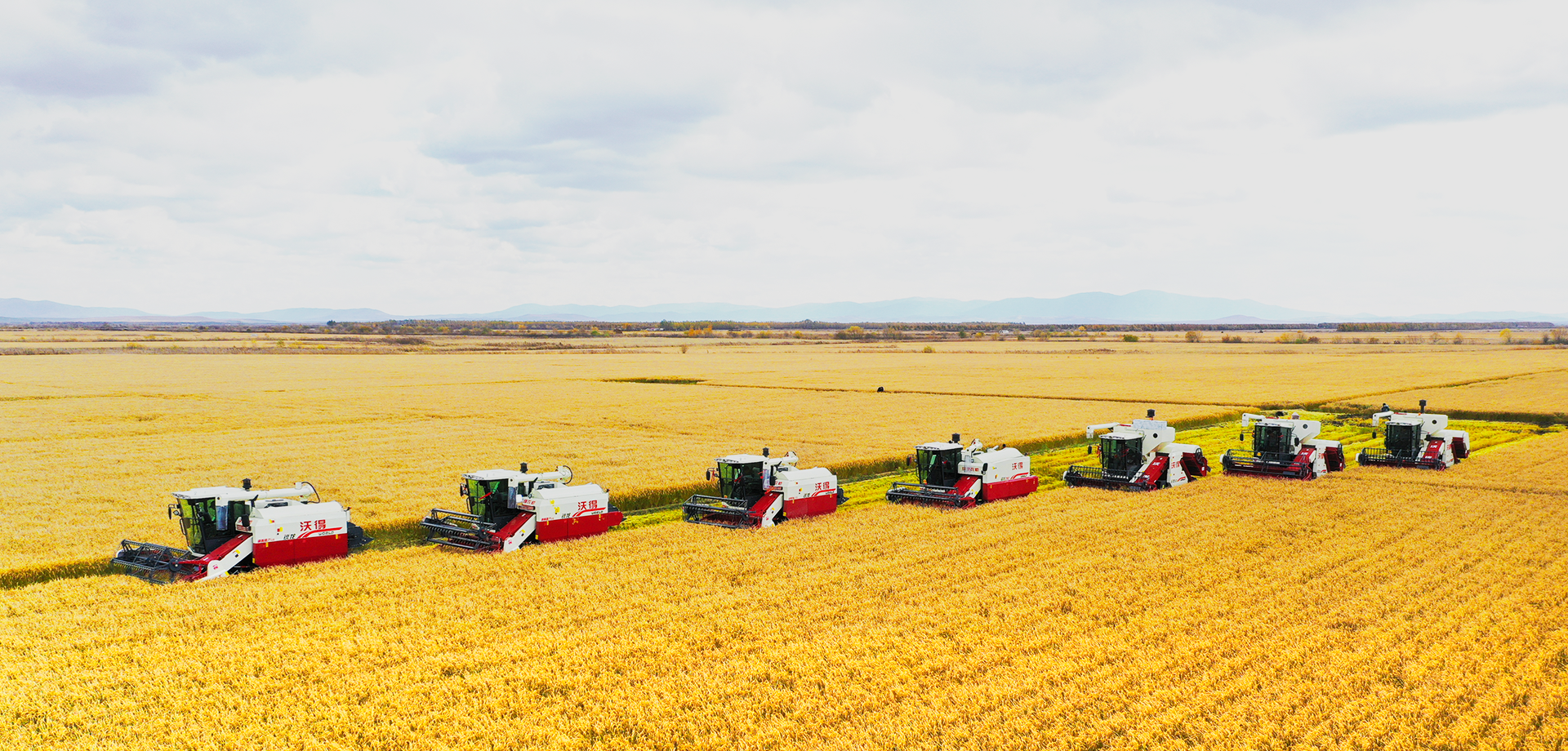
FMWORLD · Market and machinery requirements
Agricultural Machinery for Dealers & Importers
Match machinery to your customer crops, collection workflow and local support. Compare FMWORLD harvesting options and prepare tractor-fit requirements for soil preparation.
Start with your task
Choose Your Buying Route
Importers and Dealers
Match customer crops and equipment interests to your sales area, workshop and parts setup.
Build Your Market Brief
Farms and Estates
Start with your crop, fields, working window and existing collection equipment.
Preparing soil? Check tractor and tillage requirements.
Review Your Farm Requirements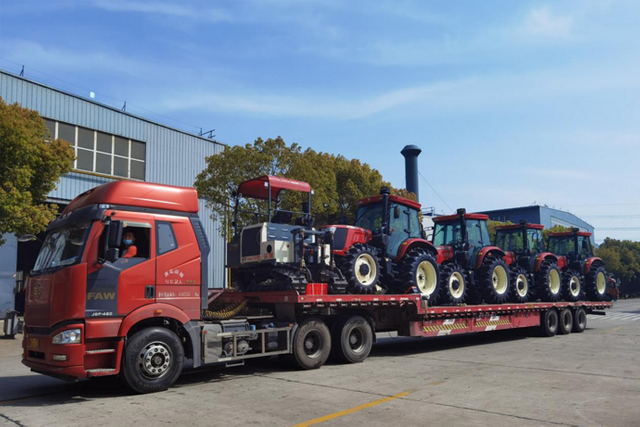
Agricultural Contractors
Plan around customer workload, moves between jobs, crew and seasonal maintenance.
Plan Your Contract WorkFor importers and dealers
Build Your Market Equipment Brief
Organize each customer task as one line in your shortlist. Keep the initial order separate from your later stock forecast.
- Market: receiving country, sales area and customer crops.
- Equipment: family or model interest, conditions and collection workflow.
- Purchase: first quantity, later forecast and required in-service date.
- Support: workshop capability, parts, training and documents needed.
Turn Customer Tasks into a Shortlist
Rice customers using bags: start with Ruilong Sack Type when bag handling is part of the collection system. Check the crew and transport needed to keep grain moving.
Corn ear customers: review 4YZ-4D for ear picking and peeling. A requirement for shelled grain needs a different harvesting configuration discussion.

Soil preparation
Tractor Compatibility Questions for Rotary Tillers
A rotary tiller needs a compatible tractor and a workable soil task. Check power transfer, attachment and working load together; ask FMWORLD which equipment can be supplied for your destination.
Power and PTO
Use available PTO power, rather than engine power alone, to check a powered implement. Match the required PTO speed and driveline connection to the selected equipment documents.
Hitch and Lift
Match hitch category and implement weight to the tractor’s documented lift limit. The load position matters; include specified ballast and hydraulic functions where required.
Width, Depth and Soil
Wider or deeper work changes the power demand. Describe soil moisture, stones and residue so working width and depth can be reviewed together, along with field access and transport width.
Send the tractor model, PTO rating and speed, hitch category and lift data with your intended width, depth and soil conditions. Use the exact tractor and implement documents to check fit.
Power Harrow and Combined Cultivators are separate soil-preparation options with their own working action and tractor requirements.

Crop harvesting machinery
Match Equipment to Your Crop and Fields
The required output comes first: grain, corn ears, cotton or a defined sugarcane collection system. Then match row layout, ground conditions and handling capacity to the harvesting route.

Rice
Soft ground and narrow access affect the machine discussion; bag or bulk collection determines the handling system you need alongside it.
Review Rice Combine OptionsWheat
Crop condition and field layout affect harvesting and grain quality. Plan the harvest window with the capacity of your grain transport and storage.
Review Wheat Harvesting OptionsCorn
For ear picking and peeling, confirm row layout and ear transport. Grain harvesting needs a different configuration discussion.
View the 4YZ-4D Corn Ear HarvesterCotton
Match picking units to your planting layout, then review crop condition and the cotton collection and transport system.
View the 4MZ-4 Cotton PickerSugarcane
Whole-stalk and chopped-cane workflows are different requirements. Describe the desired output, row spacing, lodging and collection arrangements.
View the 4GD-1 Sugarcane HarvesterYour Farm Requirements
Turn your area and available working days into a completion target, then check field entrances, headlands and collection capacity. A small field with frequent turns can need a different plan from one large block.
Prepare a Farm BriefYour Contract Work Plan
Allow for moves between customer fields as well as the harvesting work. Road access, loading, crew availability and service time reduce the hours left for each job.
Prepare a Contractor BriefMatch the model, header and processing configuration to the crop and the output you need.
Browse FMWORLD Harvesting MachinesTake a closer look
Selected Models for Your Shortlist


Confirm the configuration and documents for your destination. Browse All Models
Check the configuration
Technical Specifications for Selected Models
Compare engine power, planting layout, machine dimensions and collection requirements. Specify the configuration and technical documents you need when requesting a quotation.
Grain Combines: Sack or Grain Tank
Swipe to compare Sack Type and Grain Tank Type.
| Parameter | Ruilong Sack Type | Ruilong GT |
|---|---|---|
| Model reference | 4LZ-4.0E · Sack Type | 4LZ-4.0E · Grain Tank Type |
| Engine power | 83 HP (62 kW) or 88 HP (65.7 kW) | 88 HP |
| Engine speed | 2,600 rpm | 2,600 rpm |
| Fuel capacity | 130 L | 130 L |
| Crop feed rate | 4.0 kg/s | 4.0 kg/s |
| Threshing cylinder | 620 × 2,010 mm | 620 × 2,010 mm |
| Grain collection | Sack loading | Grain tank with unloading pipe |
| Machine dimensions (L × W × H) | Request operating and transport dimensions for the selected configuration. | 5,150 × 2,620 × 3,030 mmOperating dimensions |
Specify the Sack Type engine version in your quotation request. Crop feed rate measures material entering the machine in kg/s. Request effective field capacity in ha/h under comparable crop and field conditions to plan your harvest schedule. Include operating, transport and shipping dimensions for the selected configuration.
Corn Ear Harvesting
| Parameter | Listed specification |
|---|---|
| Engine power configurations | 162 kW or 176 kW |
| Engine speed | 2,300 rpm |
| Harvesting rows | 4 |
| Row spacing | 560 mm |
| Cutting width | 2,340 mm |
| Listed machine weight | 7,560 kg |
Specify the engine version and check the four-row layout against your planting. The 4YZ-4D harvests and peels corn ears.
Cotton Picking
| Parameter | Listed specification |
|---|---|
| Rated engine power | 220 kW |
| Rated engine speed | 2,200 rpm |
| Picking rows | 4 |
| Listed row spacings | 760 mm or 900 mm |
| Listed machine weight | 15,800 kg |
| Maximum cotton collection box volume | 32 m³ |
| Working dimensions (L × W × H) | 8,760 × 3,850 × 4,860 mm |
| Transport dimensions (L × W × H) | 8,760 × 3,850 × 4,000 mm |
Match the row-spacing configuration to your planting. Plan collection and unloading around the 32 m³ maximum box volume; assess cotton weight and any downstream bale handling separately.
Rotary Tiller: Technical Requirements to Provide
For a rotary tiller enquiry, prepare the tractor and task data below. Ask FMWORLD to confirm the available equipment and its specifications for your destination before selecting an implement.
| Parameter | Information needed for the fit check |
|---|---|
| Tractor and PTO power | Tractor make/model and available PTO power in kW or HP. Supply the relevant tractor specifications; engine power alone does not establish implement fit. |
| PTO speed and connection | PTO speed in rpm, shaft connection and the driveline required by the selected implement. |
| Hitch and lifting capacity | Hitch category and documented lift capacity, including the measurement point and any specified ballast. |
| Implement weight and load position | Exact implement weight and load position behind the hitch, checked against the tractor’s lifting and stability requirements. |
| Hydraulic functions | Required hydraulic functions, outlets, flow and pressure where the selected implement uses them. |
| Working width and depth | Intended width and depth in mm, plus field entrances, headlands and available transport width. |
| Soil and residue | Soil type and moisture, stones and crop residue, with the intended cultivation task. |
Request packed shipment and loaded transport weights for the selected configuration, with attachments, packaging and load specified as applicable. Include the relevant dimensions and destination transport requirements in the quotation. Assess output and quality using measures appropriate to grain, corn ears or cotton.
Rice collection workflow
Choose Grain Collection for Your Workflow

Bag Collection
Ruilong Sack Type serves a bag-collection workflow. Bag handling still needs people, bags and transport; if that chain cannot keep up, the harvester will wait.
Machine → bag handling → transport

Grain-tank Collection
Ruilong GT uses a grain tank and unloading auger. It needs suitable unloading access, vehicles and storage; tank size alone does not resolve a transport bottleneck.
Machine → unloading → bulk transport
Choose around the complete workflow, including field moves and collection capacity.
Review Rice Harvester ConfigurationsCompare with context
Compare Model Documents on the Same Basis
Identity
Match model, suffix, model year, crop configuration and document revision. Similar names can refer to different equipment.
Specification
Separate engine/PTO power, working/transport dimensions and standard/optional equipment.
Work Rate
Crop feed rate, effective hectares per hour and full-day output measure different things. Use a rate with stated crop, moisture and field conditions.
Loss and Quality
For grain combines, compare cutting, threshing and separation losses, grain damage and cleanliness under matching conditions. Corn ears, cotton and sugarcane need their own collection, damage and quality checks.
A brochure identifies the offer; operating and parts documents support use and maintenance. Request the exact model, configuration, language and revision you need.
Start with the Work Rate You Need
Required field work rate = area ÷ (available field days × hours in the field per day).
Planning example: 120 ha ÷ (10 days × 8 hours) = 1.5 ha/h.
Use this result as the work-rate target for your harvest schedule. The 8 hours per day include normal turns and unloading. Compare with effective output under similar crop and field conditions, and allow for weather, road travel and major maintenance.
Continue your evaluation
Resources for Your Machinery Purchase
Manuals and Product Documents
Check available files and request the model, configuration, language and revision you need.
Browse Available DocumentsService Information
Review the service process, then discuss parts, training and support at your destination.
Review Service InformationRelated Reading
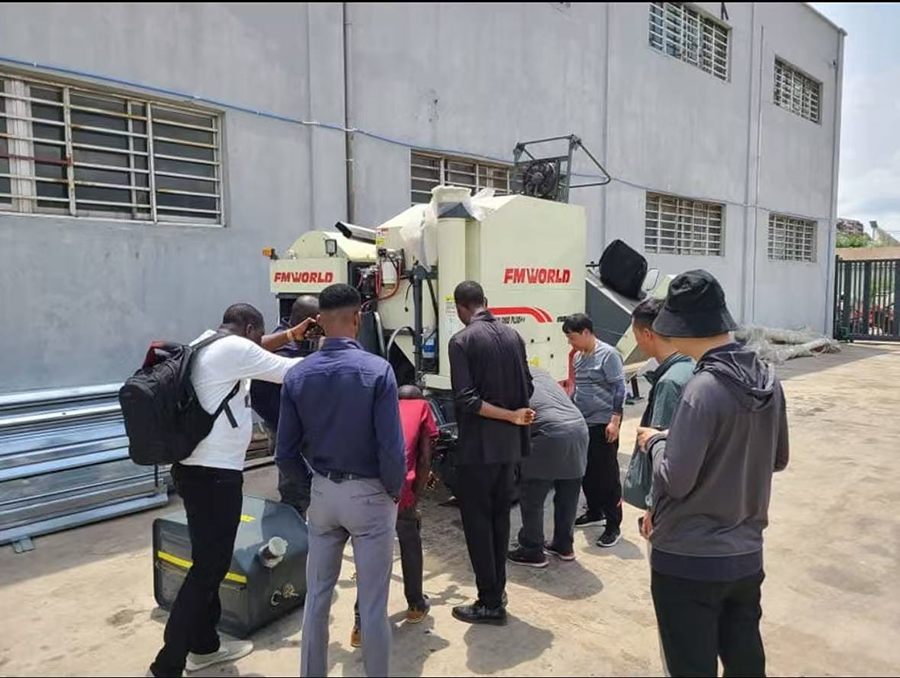
Training update · 1 August 2026
Regional Machinery Training: Nigeria and Namibia
Read FMWORLD's report on machinery training, then prepare operator and maintenance questions for your destination.
Read the Regional Training UpdatePrepare for seasonal use
Plan Parts and Service
Your Local Capability
Operator preparation and maintenance capacity are part of the purchase. Identify the people, tools and workshop or field-service arrangements available during your season.
Model-specific Resources
Build the initial spares request from the selected model’s parts and maintenance documents. Match part codes to the configuration; a generic kit can leave the wrong items on hand.
Fault and Replenishment Plan
Agree how to identify and report a fault, who handles diagnosis and repair, and how later parts orders are placed. Plan for replenishment before peak demand rather than after a machine stops.
Equipment delivery and operator training
Field Applications and Delivery Records
Explore FMWORLD's published delivery and training activity in the Republic of Congo and Thailand.

WD1504 Delivery and Training in Congo
FMWORLD reports WD1504 tractor deliveries and operation and maintenance training in Oyo and Bouansa during 2024–2025. The program included practical equipment inspection and maintenance instruction.
Read the Congo Training Record
Sugarcane Equipment Deliveries in Thailand
FMWORLD's 2025 update reports deliveries of sugarcane harvesters and cutting and piling machines to central and northeastern Thailand.
Read the Thailand Delivery UpdateAbout FMWORLD
Manufacturing Background
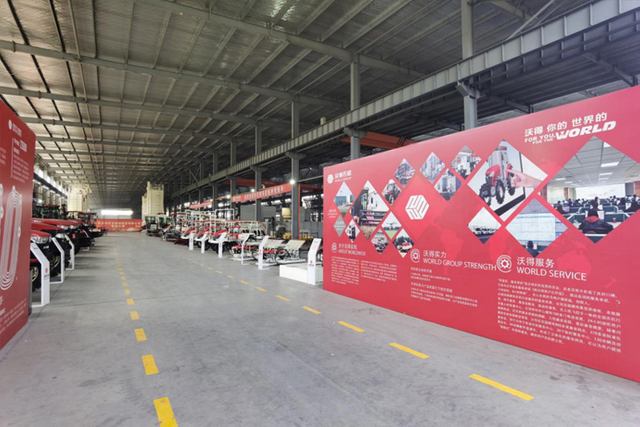
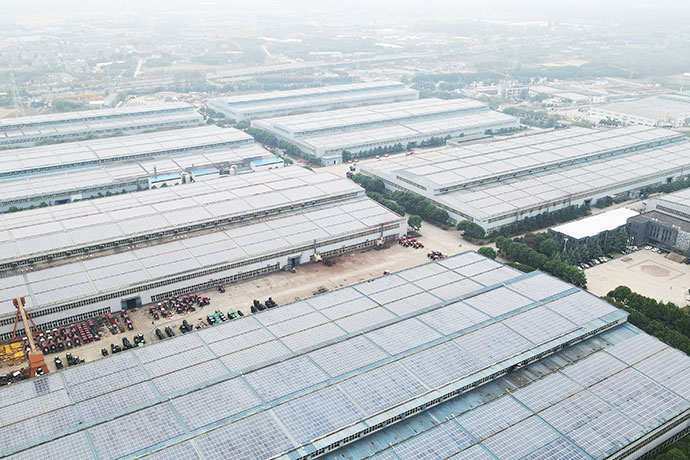
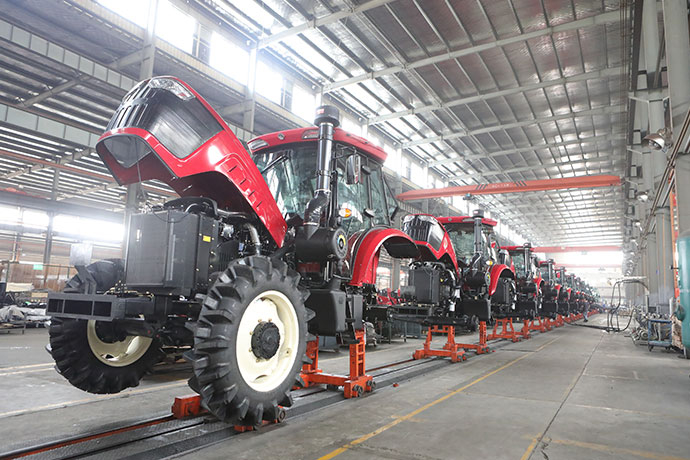
Explore the company profile and manufacturing setting. For an order, request the inspection and configuration documents relevant to your equipment.
Prepare a comparable quotation
Define Supply Scope Before Comparing Quotes
- DispatchShipment date and origin
- ArrivalReceiving place and responsibilities
- AssemblyPeople, tools and assistance
- Ready for WorkSetup, training and acceptance
Work backward from your required in-service date. Dispatch and arrival are separate from readiness to operate.
Machine and Quote Basis
List configuration, attachments, documents and exclusions. Confirm currency, payment, trade terms and transport responsibilities.
Delivery Responsibilities
Separate dispatch, arrival, assembly and readiness for work. Agree receipt checks, commissioning responsibilities and destination documents before shipment.
Warranty and Repair Costs
Confirm start event, calendar/hour limits, covered parts and wear exclusions. Separate parts, labor, travel and freight costs.
Initial and Later Spares
Separate included parts, an initial purchased kit and later replenishment, with model-specific codes and ordering arrangements.
Compare the machine price together with annual use, fuel, labor, maintenance and support costs. Include the tractor for implements and moves between contract jobs; low annual use can change the cost per hectare.
Define the Handover Before Shipment
Check model and serial identification, ordered configuration, quantities, attachments, initial spares, documents and transport damage. Record discrepancies for an agreed resolution.
Any commissioning or field test needs agreed conditions, the correct model procedures and qualified personnel. Arrival alone does not mean the machine and your operating team are ready for the season.
Before you enquire
Machinery Selection and Purchase FAQ
Answers to equipment-fit, quotation and handover questions for importers, farms and agricultural contractors.
Equipment Fit
Start with your destination, crop and required output, equipment task, quantity or workload, and needed-in-service date. For harvesting, add field access and collection arrangements; for soil preparation, add tractor and soil details. These inputs give a FMWORLD enquiry a useful starting point before a model is selected.
No. Feeding capacity measures crop flow, while area per hour and full-day output measure different things. Compare figures for the same crop, yield and material load, moisture, field layout and working conditions. Include turning, unloading, travel and downtime in your work plan. Ask for the model's measurement basis before using a figure to plan your harvest window.
No. Provide the tractor model, engine and PTO power, PTO speed and connection, hitch category, lift capacity, and the implement’s weight and load position. Include hydraulic needs where relevant, desired width and depth, and soil conditions. First ask which soil preparation products are available, then check the exact equipment documents for your tractor and task.
Choose around your collection workflow. Sack loading needs bag handling and movement to transport or storage. A grain tank needs unloading access, suitable bulk transport and storage arrangements. Compare the people, vehicles and waiting time involved, then confirm the specific configuration. A larger tank alone does not establish a better fit for your operation.
Purchase and Support
Confirm the exact configuration, attachments, spare parts, documents and exclusions, together with currency, payment and delivery responsibilities. Request the required model, language and revision of technical documents, and name any destination document requirements. Compare acquisition and operating costs using your own local assumptions rather than the machine price alone.
Work backward from the needed-in-service date. Agree dispatch, arrival, assembly and readiness for work separately. Before shipment, define receipt checks and any safe commissioning or field-test conditions. At arrival, compare machine identification, configuration, quantities, accessories and documents with the order, and record damage or discrepancies for an agreed resolution.
Agree a model-specific support plan: operator preparation, maintenance documents, parts codes, initial spares and later replenishment for your destination. Separately confirm warranty start, calendar and hour limits, covered items and wear exclusions. Record who pays for diagnosis, parts, labor, travel and freight. These arrangements should match the selected equipment and written terms.
State the country or sales area and the relationship you want to discuss. Describe your customers, sales capability, workshop and parts setup so the request has a clear scope. Ask FMWORLD to confirm whether the arrangement can be considered and on what terms. Any appointment or exclusivity requires separate written agreement.
Separate the quantity you want to purchase first from the later stock forecast. Describe the customers or tasks, evaluation conditions and timing for that first purchase. Request its available configuration, supply and support scope. Any demonstration, trial, staged-order or future-stock arrangement needs separate confirmation; a forecast is not an agreed order.

Plan your next purchase
Start Your Equipment Enquiry
Send your destination, crops, equipment needs, quantity and timing to FMWORLD. If you need a structured message, use the relevant buyer template below.
- Country & Crops
- Equipment Needs
- Quantity & Timing
Importers and DealersView enquiry template
Destination / sales area: [country/regions]
Company / buyer role: [details]
Customer crops / equipment needs: [details]
Initial quantity: [quantity or to discuss]
In-service date: [date/season]

Optional: Later stock forecast, separate from initial order: [details]
Optional: Customer workflow and workshop / parts capability: [details]
Optional: Documents, support or territory request: [details]
Farms and EstatesView enquiry template
Destination / farm location: [country/region]
Farm / buyer role: [details]
Crop / soil task and equipment needs: [details]
Indicative quantity: [quantity or to discuss]
In-service date: [date/season]

Optional: Area, working days and field/crop conditions: [details]
Optional: Tractor model, engine / PTO power and speed, hitch / lift and hydraulics for soil preparation: [details]
Optional: Operators and collection / transport workflow: [details]
Optional: Documents, initial spares and local support: [details]
Agricultural ContractorsView enquiry template
Service area / receiving destination: [country/regions]
Company / buyer role: [details]
Customer crops / equipment needs: [details]
Indicative quantity: [quantity or to discuss]
In-service date: [date/season]

Optional: Seasonal workload and working days: [details]
Optional: Field distribution, job movements, fleet / crew and collection: [details]
Optional: Initial spares, documents and seasonal support: [details]
A task description is enough if the model is unknown. For rotary tillers, ask which products are available and add tractor, PTO, hitch and soil details when you can.
