
Views: 0 Author: Site Editor Publish Time: 2026-10-07 Origin: Site


Upgrading harvest equipment is one of the most capital-intensive decisions a cotton operation will make. The financial impact ripples through your entire farm system for years. The choice between maintaining a smaller fleet or consolidating into high-capacity machines extends far beyond the initial sticker price. It deeply dictates your daily labor needs, support equipment requirements, and harvest window risk management. Every operation must balance raw field throughput against local logistical constraints. Will bigger machines solve your harvest delays, or just create new bottlenecks? This guide breaks down the operational economics and strict field realities. We help you determine which machine capacity matches your exact acreage, field layout, and labor pool. Read on to discover how to align your harvest strategy for maximum efficiency.
Modern agriculture faces severe labor shortages across all major regions. Finding experienced machinery operators gets harder every single season. Younger workers often migrate toward urban jobs instead of farming. When you lack qualified drivers, harvest timelines stretch out dangerously. A delayed harvest puts your entire crop revenue at massive risk. You cannot afford machines sitting idle during sunny days.
Every extra day in the field increases weather exposure risk. Mature cotton degrades quickly under heavy rain or harsh wind. Yield degradation destroys your seasonal profit margins rapidly. Moisture causes color spotting and reduces overall lint grade. You must measure this risk against your daily harvesting capacity. If mature acreage outpaces your daily picking rate, you lose money. Fast extraction protects your valuable crop grade perfectly.
Aging fleets naturally suffer frequent and unpredictable mechanical breakdowns. Sourcing replacement parts during peak season causes frustrating downtime. Global supply chains often delay critical hydraulic components for weeks. You experience severe maintenance fatigue running multiple older machines. Managing mechanics becomes a full-time job for farm managers. Eventually, these chronic downtime costs outweigh new equipment expenses. A single, high-capacity unit often solves these chronic reliability issues. Dealerships prioritize new equipment for immediate emergency service calls.
The 3-row cotton picker excels in tight, restricted farming spaces. It delivers superior maneuverability across smaller, irregular field layouts. Operators navigate steep terraced land much easier using a compact machine. Tight turn-rows rarely cause maneuvering problems for these agile pickers. They can negotiate narrow headlands without damaging adjacent crops. Fences, ditches, and power poles present fewer obstacles for them.
Smaller machines offer a distinctly lower barrier to financial entry. Initial purchase prices sit much lower than massive commercial units. Individual replacement parts generally cost much less to source locally. Running two smaller units provides excellent operational redundancy. One major engine breakdown does not completely halt your entire harvest. You can keep picking while mechanics repair the broken unit. Insurance premiums also remain lower for less expensive equipment.
However, these machines present clear operational constraints during harvest. Slower harvest speeds require significantly more days in the field. This extended timeline increases exposure to late-season weather events. Rainstorms can severely degrade lint quality before completion. You burn more total labor hours finishing the same acreage. Fatigue sets in for operators running long daily shifts.
These models perfectly suit family-run operations managing modest acreage. Sharecroppers working fragmented land parcels benefit greatly from this agility. Farms staying under the 1,000-acre limit find them highly ideal. They represent a prudent investment for operators prioritizing financial stability. You secure reliable harvest capacity without overextending farm credit.
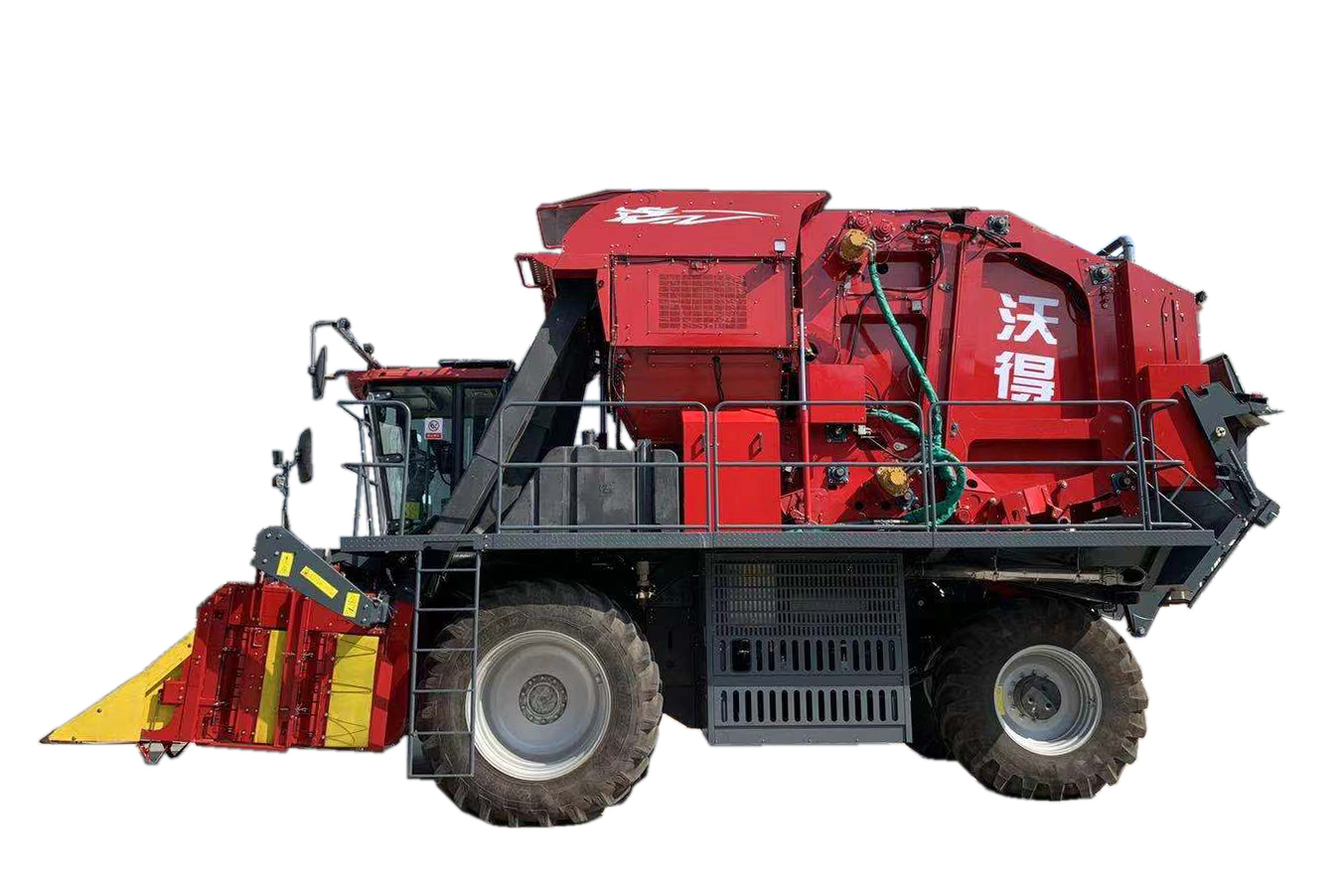
A massive 6-row cotton picker fundamentally transforms your entire harvest timeline. It effectively halves the total time spent in the field. This aggressive pace becomes critical for maximizing tight weather windows. You process massive crop volumes before autumn storms arrive. High throughput secures your premium lint grades safely under cover. These machines gobble up massive acreage with relentless efficiency.
High-capacity machines directly address modern agricultural labor shortages. One large machine effectively replaces two smaller units simultaneously. You replace two highly paid operators with just one driver. This drastically reduces your seasonal payroll expenses immediately. It also simplifies your human resources management and scheduling efforts. Managing one highly skilled driver proves much easier overall.
These immense units require massive initial capital expenditure upfront. They suffer from heavy financial depreciation over their useful lifespan. Increased machine weight causes severe soil compaction during wet seasons. Deep ruts can ruin field grading for the next planting season. You must upgrade your farm infrastructure to support them properly. They demand much wider transport roads and massive turn-rows. Narrow rural bridges might not support their massive transport weight safely.
Commercial-scale operations exceeding 1,500 acres need this incredible throughput. Custom harvesting contractors rely heavily on these high-volume commercial machines. Farms featuring large, unobstructed, flat field layouts maximize their true potential. Corporate farming groups view them as essential productivity assets. You must possess the sheer acreage to justify the massive price.
Comparing a three row vs six row cotton picker requires deep operational analysis. You must look far beyond the initial equipment invoice.
Evaluate the upfront machine cost against ongoing fuel consumption carefully. You must weigh maintenance frequency and operator wages over five years. A larger picker burns significantly more fuel per operating hour. However, it often burns less fuel per harvested acre. Fewer passes across the field reduce overall diesel consumption. Spindle grease and fluid replacements cost more per service interval. You must calculate these exact costs based on local prices.
A massive high-capacity picker easily overwhelms a legacy support fleet. Upgrading your primary harvester often necessitates upgrading your module builders. A fast machine waiting on a slow boll buggy wastes money. You must carefully evaluate the required upgrades to support tractors. The entire logistical chain must match the picker's incredible pace. Bottlenecks will completely negate the speed advantages of larger machines.
Roading these machines involves vastly different logistical challenges locally. Smaller units navigate narrow rural roads quite easily and safely. Large units often require pilot vehicles and wide-load escort requirements. You must check strict width restrictions before planning transport routes. Local bridge weight limits might force long, inefficient transport detours. Highway patrol regulations heavily govern the movement of massive equipment.
Evaluate local dealership support for your specific row configurations carefully. Ensure high part availability during the critical peak harvest season. You need rapid response times from technicians working nearby. A stranded commercial machine costs thousands of dollars per day. Dealership proximity should heavily influence your final purchasing decision.
| Feature | Smaller Capacity (3-Row) | High Capacity (6-Row) |
|---|---|---|
| Field Agility | Excellent in irregular, terraced fields | Requires large, flat, continuous tracts |
| Support Fleet Demands | Compatible with legacy boll buggies | Demands on-board baling or high-capacity builders |
| Labor Requirements | Multiple operators for high volume | Single operator replaces multiple drivers |
| Optimal Acreage | Under 1,000 acres | Exceeding 1,500 acres |
Follow this exact decision framework to shortlist your ideal purchase confidently.
The equipment choice goes far beyond mere harvest speed. It requires matching equipment footprints to farm topology and business scale. Small, irregular fields demand lightweight, highly agile harvesting machines. Massive, continuous tracts require maximum daily throughput to protect yields. You cannot force a commercial machine into a fragmented layout. Conversely, slow machines will ruin a massive commercial operation.
Run a thorough side-by-side ROI calculation immediately this week. Factor in your local labor rates and specific field sizes accurately. Schedule a formal dealership consultation early in the planning season. Review late-model availability and discuss flexible financing structures carefully. Build a comprehensive harvest plan around your specific capacity constraints. Take action now to secure your machinery before harvest begins.
A: Yes, modern machines offer significant row spacing flexibility. Manufacturers provide specialized OEM conversion kits for standard industry spacings. You can easily adjust picking units to match 38-inch layouts. Many commercial operations successfully configure them for 40-inch row spacing. Always consult your dealer regarding factory configurations versus aftermarket adjustments.
A: High-capacity pickers consume significantly more fuel per operating hour. However, they cover twice the ground in that same timeframe. Therefore, the gallons-per-acre fuel efficiency often remains highly competitive. The larger machine generally delivers better overall fuel efficiency at scale. Measure your consumption based on total harvested acreage, not runtime.
A: Yes, upgrading typically necessitates faster, higher-capacity module building equipment. A larger machine dumps significantly more volume in much less time. Your legacy support fleet will likely create severe harvest bottlenecks. The entire agricultural industry strongly shifts toward on-board module building technology. This modern innovation completely eliminates the need for separate tractors.
A: Heavier machines significantly increase severe soil compaction during wet seasons. The massive footprint compresses damp soil structures much deeper underground. Smaller machines distribute less overall weight across your sensitive fields. Many commercial operators utilize specialized track options for larger models. Tracks help distribute the massive weight and minimize rutting damage.


