
Views: 0 Author: Site Editor Publish Time: 2026-07-13 Origin: Site


If you’re curious about the price of a tractor sprayer, you’ll see that costs typically range from $30,000 to $80,000. The price of a tractor sprayer can vary based on its size and capacity. Larger tractor sprayer models may actually save you money in the long run, since they can cover more acreage with fewer passes. Here are a few things to consider:
The price of a tractor sprayer depends on its type, features, and brand.
While the upfront cost of a tractor sprayer is important, you should also think about its long-term value.
Selecting the right tractor sprayer can increase your efficiency and help your tractor operate more effectively.
Tractor sprayer prices go from $3,000 to $80,000. The price depends on size, features, and brand. Think about long-term value and how well it works. Bigger models can save you time and money. Entry-level sprayers work best for small farms. Mid-range and premium models fit bigger farms with more needs. Important features are adjustable nozzles, steady pressure, and easy-to-use designs. These features help the sprayer work better and waste less. Cleaning and taking care of your sprayer often can lower costs over time. This also helps your sprayer last longer.
When you start shopping for a tractor sprayer, you’ll notice that prices can vary a lot. The cost depends on the features, size, and brand. Let’s break down the price ranges so you can see what fits your needs and budget.
If you have a small farm or just need basic spraying, entry-level sprayers are a good place to start. These models usually have smaller tanks and simple controls. You can find a 165-gallon 3-point PTO sprayer for around $3,000 to $6,000. These sprayers work well for spot treatments or small fields. They don’t have fancy features, but they get the job done. You’ll see that the price stays low because the boom width is shorter and the nozzle count is limited.
Tip: Entry-level sprayers are easy to use and maintain. You won’t need special training to operate them.
Mid-range sprayers offer more capacity and better features. You might see prices from $7,000 to $25,000. These sprayers often have larger tanks, wider booms, and more advanced controls. For example, the See and Spray Premium model costs about $25,000. This sprayer uses automated boom control and rate controllers to make spraying more accurate. You can cover bigger fields and save time. Mid-range sprayers are popular for row crops and medium-sized farms.
Here’s a quick comparison table:
Model | Tank Size | Boom Width | Price Range |
|---|---|---|---|
165-gallon PTO Sprayer | 165 gal | 12-20 ft | $3,000-$6,000 |
See and Spray Premium | 150 gal | 20-30 ft | $25,000 |
Mid-Range Boom Sprayer | 200 gal | 30-40 ft | $10,000-$18,000 |
Premium sprayers are built for large farms and commercial operations. You’ll see prices from $30,000 up to $80,000 or more. These models have big tanks, wide booms, and advanced technology. Some sprayers use robotics and automated systems to control the boom and manage the application rate. You can spray huge fields with precision and consistency. Premium sprayers help you save on labor and reduce waste. The price goes up when you add features like GPS guidance, multiple nozzle options, and corrosion-resistant materials.
Boom sprayers use a horizontal boom with many nozzles to cover wide areas.
These sprayers are perfect for row crops and large fields.
You get precise and consistent application, which helps your crops grow better.
Note: Advanced features and larger booms increase the price, but they also boost efficiency and accuracy. You can cover more acres in less time and use less product.
When you compare tractor sprayers, think about your farm size, the crops you grow, and how much capacity you need. The price reflects the features and technology, so decide what matters most for your operation.
When you look at the price of a tractor sprayer, you see many things that can change the cost. Let’s break down the main factors so you know what to watch for.
The tank is a big part of any sprayer. If you pick a larger tank, you get more capacity, but you also pay more. Some tanks use corrosion-resistant polyethylene. This material helps your sprayer last longer, especially if you use strong chemicals. Polyethylene tanks cost more than basic plastic, but they give you better value over time. You want a tank that can handle high psi without cracking.
The pump pushes liquid through the sprayer. You can find pumps that run on the tractor’s PTO or use an electric hookup. PTO pumps give you more power and higher psi, which means you can spray faster and cover more ground. Electric pumps work well for smaller jobs but may not reach the same psi. If you need steady application and high psi, you might pay more for a better pump.
Boom width tells you how wide the sprayer can cover in one pass. A wider boom means you finish faster, but it also raises the price. More nozzles let you control the application better. If you want even coverage and high psi at every nozzle, you need a strong pump and good plumbing. Premium sprayers have advanced plumbing setups that keep psi steady across the whole boom.
Tip: If you want to save time, look for a sprayer with a wide boom and lots of nozzles. Just remember, these features add to the cost.
Some brands use better materials and smarter designs. You might see thicker hoses, stronger frames, or better psi controls. These features help your sprayer last longer and work better. Well-known brands often offer good support and warranties. You pay more up front, but you get peace of mind and fewer repairs.
When you shop for tractor sprayers, think about what you need most. Do you want a big tank, high psi, or a wide boom? Each choice changes the price and the way your sprayer works on your tractor.
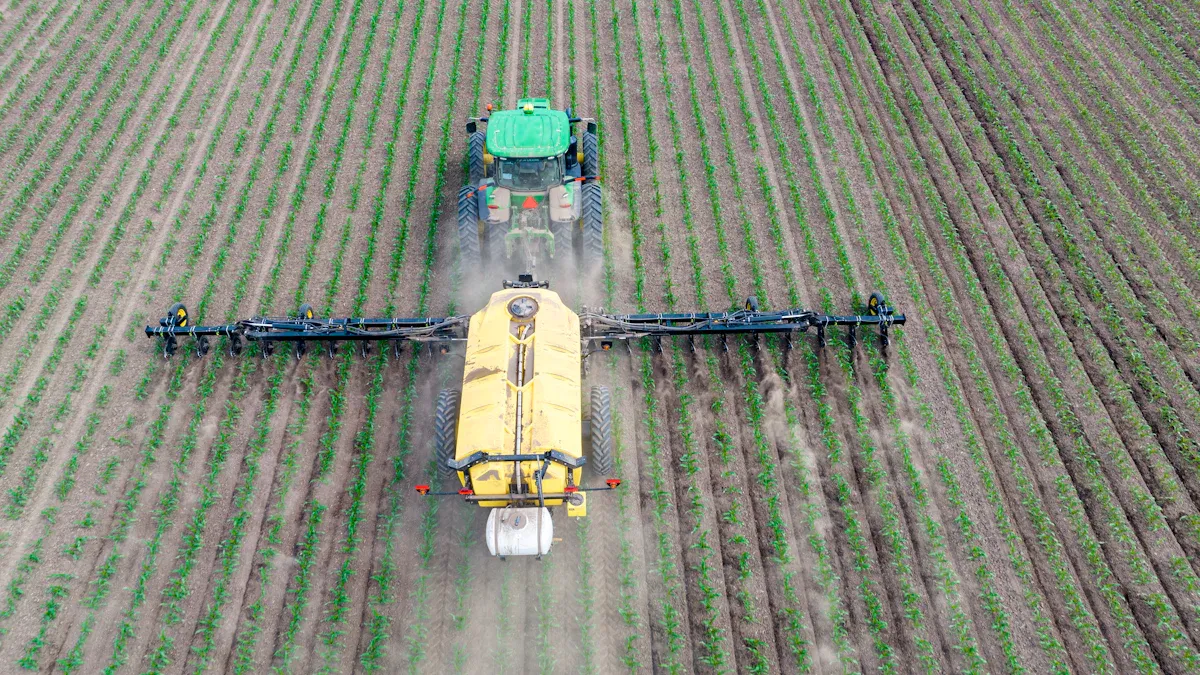
When you look for a tractor sprayer, you’ll see several main types. Each one fits different needs and budgets. Let’s break them down so you can find what works best for your farm.
You attach tow-behind sprayers to your tractor with a hitch. These sprayers work well for medium to large farms. You can use them for spot spraying or covering bigger fields. They offer good versatility and often cost less than high-end mounted models. If you want a sprayer with a bigger tank and more capacity, this type gives you that without a huge price tag. You’ll find both boom and boomless options, so you can pick what matches your field.
3-point mounted sprayers connect right to your tractor’s three-point hitch. These sprayers give you great control and stability. They’re perfect for row crops and fields where you need precise application. You can find models with different tank sizes, so you don’t have to refill often. Prices range from entry-level to premium, depending on features like adjustable booms or advanced controls. If you want a sprayer that’s easy to attach and use, this type is a solid choice.
Boom sprayers use a long arm with nozzles to cover wide areas. You get even coverage and can adjust the height for different crops. These work best in open fields like corn or soybeans. Boomless sprayers skip the arm and spray in a wide pattern. They shine in rough terrain or places with lots of obstacles. Boomless models have fewer moving parts, so they’re easier to maintain and often cost less. Here’s a quick look:
Type | Best For | Advantages |
|---|---|---|
Boom | Large, open fields | Precise coverage, less waste |
Boomless | Uneven or obstacle areas | Easy to use, fewer parts |
Mist sprayers create a fine mist that coats every part of the plant. You’ll see these in orchards, vineyards, or dense crops. They help you use less chemical and get full coverage. Specialty sprayers include models for unique crops or tricky spots. These often cost more because of advanced features or custom designs. If you grow fruit or need targeted application, a specialty sprayer can make your job easier.
Tip: Think about your field size, crop type, and how much control you want. The right sprayer saves you time and money.
You’ll notice that as you move from basic to advanced sprayers, the price and features go up. Tank size, capacity, and application method all play a role in what you pay and how well the sprayer fits your needs.
You need a sprayer that lets you control how it works. Adjustable nozzles help you change the spray for different crops or weather. New nozzles make bigger droplets, so less spray drifts away. This saves product and keeps your fields safe. Some sprayers have single or double head nozzles that almost stop drift. You can find sprayers with controls you use from your tractor seat. These features help you spray only where you need. You save time and money.
Change spray size for each job
Cut down on drift and waste
Make fast changes from the cab
Tip: Pick a sprayer with controls that are easy to use. You will spend less time learning and more time working.
Pressure and flow are very important. A good sprayer keeps pressure steady. This makes every nozzle spray the same amount. Some sprayers use strong pumps for even flow. You get better coverage and healthier crops. Pressure recirculation systems prime the boom without wasting chemicals. This saves money every day. You also stop crop damage from leftover chemicals in the lines.
Steady pressure gives even spraying
Save chemicals with smart recirculation
Keep crops safe from chemical buildup
You want a sprayer that is simple to use and care for. Many new sprayers have easy displays and automatic features. You can set up your sprayer quickly and start working. Some use GPS and sensors to spray only where needed. This technology saves product and helps the environment. A user-friendly sprayer means less stress and fewer mistakes.
A strong sprayer lasts longer and costs less over time. Look for a tank made from polyethylene. This material does not rust or corrode. Good plumbing and neat hoses make cleaning and repairs easier. Keeping your sprayer clean stops crop damage from leftover chemicals. Good records and clean equipment help you sell your sprayer for more if you upgrade.
Feature | High-Quality Sprayer | Low-Quality Sprayer |
|---|---|---|
Corrosion Resistance | Yes | No |
Plumbing | Organized | Messy |
Maintenance | Easy | Difficult |
Resale Value | High | Low |
Note: Spending more on a strong tractor sprayer can save you lots of money in repairs and lost crops over time.
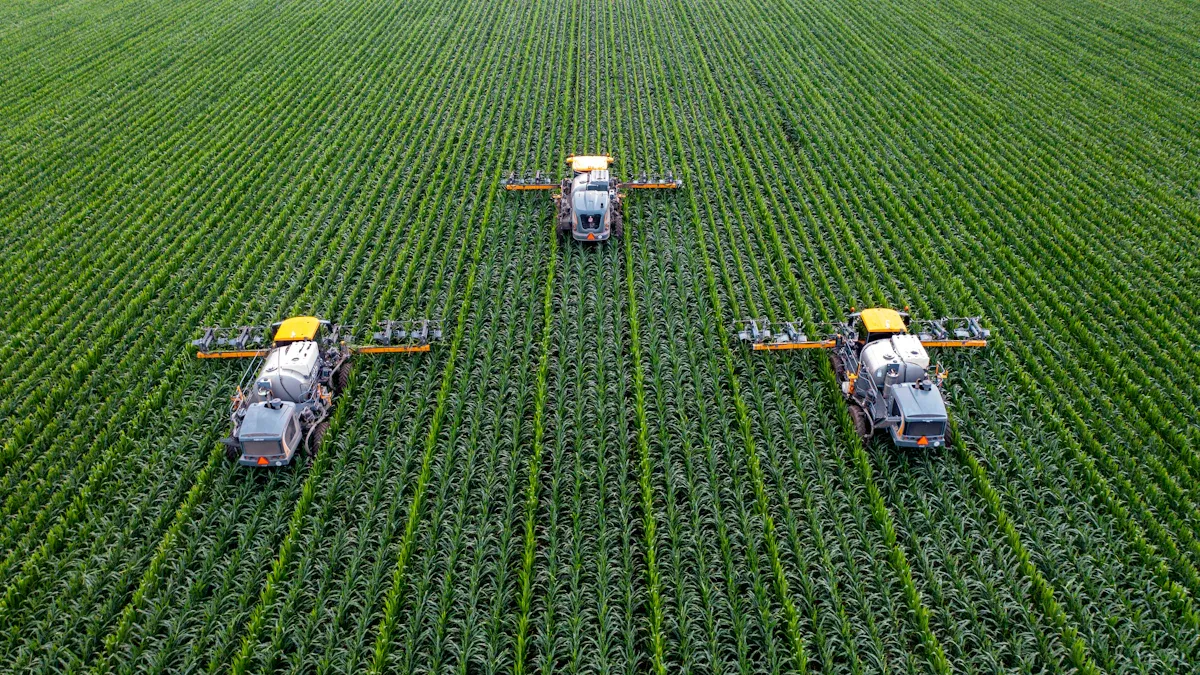
You want to see how different models stack up before you buy. Here’s a handy table that compares some popular tractor sprayer options. You can check out the tank size, boom width, pump type, and get a feel for what fits your needs.
Model | Tank Size | Boom Width | Pump Type | Price (approx.) |
|---|---|---|---|---|
Fimco LG-65-BL-UTV Boomless Sprayer | 65 gal | 50 ft | 12-volt diaphragm pump | N/A |
Guide Gear ATV Broadcast Spot Sprayer | 26 gal | 30 ft | 12-volt battery | N/A |
John Deere 25-gallon Mounted Sprayer | 25 gal | 90 ft | 100 PSI diaphragm pump | N/A |
Agri-Fab 45-0292 15-Gallon Tow Sprayer | 15 gal | 7 ft | 12-volt battery | N/A |
150-gallon 3-point PTO Sprayer | 150 gal | 20-30 ft | PTO-driven, 5-8 gpm | $5,000-$8,000 |
165-gallon 3-point PTO Sprayer | 165 gal | 12-20 ft | PTO-driven, 7-10 gpm | $3,000-$6,000 |
Tip: Look for a model with a pump that matches your spraying needs. Higher gpm means you can cover more ground quickly.
You want the most for your money. Models with larger tank capacity often give you better value, especially if you have a bigger field. They let you spray more acres with fewer refills, which saves time and labor. The 150-gallon and 165-gallon PTO sprayers stand out for their balance of price, tank size, and boom width. These models work well for medium farms and offer reliable performance.
Larger tanks mean fewer stops to refill.
PTO-driven pumps deliver steady gpm for even spraying.
Mid-range prices make these sprayers a smart investment for many farms.
When you pick a tractor sprayer, you want one that makes your job easier and lasts for years. Buyers love models that are easy to use and keep downtime low. Here’s what stands out:
Sprayers with robust engines handle large fields without slowing down your tractor.
Adjustable nozzles help you spray just the right amount for each crop.
Fuel-efficient designs save you money over the life of your equipment.
Good resale value means you can upgrade later without losing much.
Advanced features, like robotic controls, are worth a look if you want the latest tech.
Some users mention that weight distribution can affect how the sprayer handles, so check the specs before you buy. If you focus on efficiency, durability, and the right gpm, you’ll find a sprayer that fits your farm.
When you use a tractor sprayer, you need to think about safety first. Look for features that protect you and your equipment. Many sprayers have shields over moving parts. These shields keep your hands and clothes away from danger. Some models include emergency shut-off switches. You can stop the sprayer fast if something goes wrong. Good lighting helps you see what you are doing, even in low light. Always follow proper safety practices when you mix chemicals or clean the tank. Wear gloves, goggles, and long sleeves to protect your skin and eyes.
Tip: Check for clear labels and easy-to-read instructions on your sprayer. These help you avoid mistakes and keep everyone safe.
Keeping your tractor sprayer in good shape does not have to cost a lot. You should rinse the tank after each use. This stops chemicals from building up and damaging your crops. Replace worn nozzles and hoses when you see cracks or leaks. Oil the moving parts and check the pump often. Most farmers spend a small amount each season on filters, seals, and cleaning supplies. If you fix small problems early, you avoid bigger repairs later.
Here is a quick list of common maintenance tasks:
Rinse and clean the tank
Inspect and replace nozzles
Check hoses for leaks
Lubricate moving parts
Owning a tractor sprayer means you pay for more than just the machine. You also pay for upkeep, fuel, and repairs over time. On many farms, the average machinery cost per acre is about $3.90. This makes owning your own sprayer a smart choice for many people. Some farms spend around $37.29 per acre on spraying operations each year. These costs include fuel, maintenance, and labor. If you take care of your sprayer, you can lower these costs and make your equipment last longer.
Note: Plan for both small and large expenses. A well-maintained sprayer saves you money and keeps your tractor working hard for years.
Choosing the right sprayer starts with knowing your farm and your crops. Here’s a simple way to match a sprayer to your needs:
Think about your farm size and what you grow. Self-propelled sprayers work best for big farms. Tow-behind sprayers fit mid-sized fields. Three-point hitch sprayers are great for small areas.
Look for features that help you work faster and more accurately. Wide booms and rate control systems can save you time.
Pick a pump that matches your job. Centrifugal pumps suit large fields. Diaphragm pumps handle tough chemicals.
Make sure the tank size fits your field. A bigger tank means fewer stops to refill.
Choose a sprayer that is easy to maintain and comes with good service support.
Check for flexible payment options if you need them.
Tip: Don’t forget to check the width of your sprayer. Make sure it fits between your rows and under any trees or wires.
You want to get the most for your money. Here are some smart steps:
Look at your current equipment and see what you really need.
Set a budget by checking your past spending and talking to your accountant.
Compare prices and think about leasing if you want more flexibility.
Plan for repairs and regular maintenance. This helps you avoid big surprises.
Remember to add in costs like delivery and setup.
Review your records to see how much you can spend.
Research different models to find a fair price.
Talk to dealers and trusted advisors before you buy.
Note: Sometimes, sharing equipment with neighbors or buying used can help you save.
You have many choices when it comes to buying a sprayer. Here are some top suppliers:
Supplier | Description |
|---|---|
John Deere | A leader in farm equipment, offering a wide range of sprayers and strong customer support. |
Ag Spray Equipment | Offers many types of sprayers, parts, and accessories for different needs. |
Sprayer Depot | Specializes in sprayers and has served customers for over 40 years. |
When you talk to a dealer, ask these questions:
How many repair techs do you have, and how much experience do they have?
Do you keep parts for my tractor in stock?
Can you come to my farm for repairs, or pick up my equipment if needed?
How fast can you fix problems?
Do you offer a loaner if my sprayer needs service?
Are there regular maintenance programs?
Tip: Ask about warranty options. Some brands offer plans that cover the engine, hydraulics, and more. Local dealers often provide quick support and help with claims.
When you pick a tractor sprayer, you want the right mix of price, features, and long-term value. Think about more than just the sticker price. Safety, maintenance, and total cost of ownership matter, too. Here’s a quick look at what to keep in mind:
Factor | Why It Matters |
|---|---|
Productivity | The right sprayer saves time and money on every job. |
Uptime | Good dealer support keeps your sprayer working when you need it most. |
Technology | Smart features like GPS and sensors cut costs and boost accuracy. |
Training | Learning how to use your sprayer helps you avoid mistakes and extra expenses. |
Use the tips and comparison tables from this guide to find a sprayer that fits your farm and helps you work smarter every season.
You should rinse your sprayer after every use. This keeps chemicals from building up and protects your crops. Clean nozzles and hoses help your sprayer last longer.
Yes, you can use your sprayer for many chemicals. Always check the labels and rinse the tank between uses. This prevents mixing and keeps your crops safe.
A 3-point mounted sprayer with a 100- to 165-gallon tank fits most small farms. You get easy setup and enough capacity for spot treatments or small fields.
Most entry-level sprayers are simple to use. You can learn basic controls quickly. If you buy a model with advanced features, ask your dealer for training.
You can buy parts from your dealer, farm supply stores, or online shops like Sprayer Depot. Always keep extra nozzles and hoses handy for quick repairs.


