
Views: 0 Author: Site Editor Publish Time: 2026-09-30 Origin: Site


Procuring heavy agricultural equipment demands careful capital alignment. You must respect strict seasonal deadlines to maintain operations. Missing a harvest window damages yield quality significantly. Equipment delays directly impact your overall agricultural profitability. Understanding logistics behind Minimum Order Quantity (MOQ) proves essential. Production lead times dictate your entire planning cycle. These factors remain critical for large agricultural enterprises today. Distributors evaluating a sugarcane harvesting machine must master these logistics. This article breaks down practical machinery procurement realities. We explore heavy equipment supply chains in detail. You will learn to calculate necessary timeline buffers. We guide you through shipping configuration optimizations seamlessly. Finally, you will discover methods to minimize supply chain risks. Proper planning secures your harvest season effectively and efficiently.
Purchasing heavy machinery involves complex international shipping dynamics. Single-unit purchases are technically possible from some manufacturers. However, they remain economically inefficient for most buyers. Suppliers base MOQs on standard shipping configurations strictly. They aim to reduce per-unit freight costs significantly. Heavy equipment usually requires 40-foot High Cube containers. Sometimes, open-top or flat-rack containers become necessary. Loading partially empty containers wastes valuable shipping budget. Fitting one or two machines perfectly optimizes space. This containerization factor drives the baseline MOQ requirement.
Different buyer profiles experience distinct MOQ expectations entirely. Distributors usually face much higher MOQs during negotiations. They often must purchase three to five units. This volume secures essential wholesale pricing tiers. Large agricultural estates handle procurement slightly differently. They might negotiate an MOQ of one or two units. These buyers operate under standard retail FOB or CIF terms. Manufacturers adjust pricing based on these specific volume commitments. You must evaluate your storage capacity before ordering.
Smart buyers maximize their minimum order quantity shipments. When purchasing at minimum volumes, you should consolidate shipments. Bundling essential wear-and-tear parts prevents future operational downtime.
This strategy maximizes empty container space efficiently. It also saves expensive international shipping costs later. Having spare parts on hand guarantees continuous field operations.
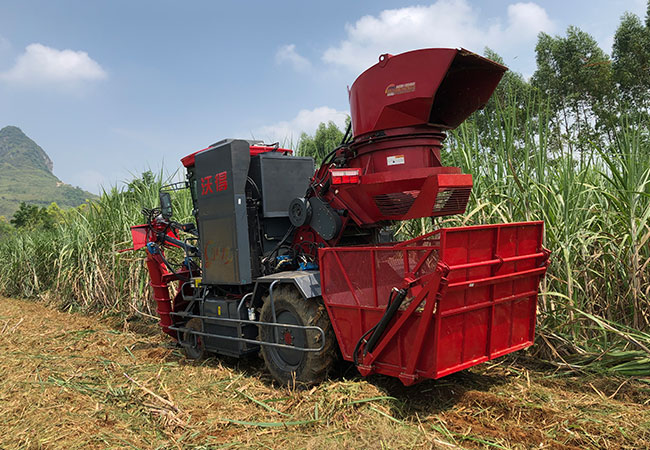
Understanding production schedules prevents disastrous delivery delays. The manufacturing phase forms the initial timeline block. Standard production times usually span 30 to 45 days. Factory capacity fluctuates throughout the calendar year constantly. Existing order backlogs dictate actual production speed heavily. Peak ordering seasons always extend standard manufacturing estimates. You must confirm current factory loads before signing contracts.
Customization requests introduce significant timeline delays instantly. Modifying sugarcane harvesting machine specifications requires extra engineering. Adapting the chopper system requires specialized factory retooling. Upgrading cabin air conditioning helps in extreme tropical climates. Altering track gauges takes additional weeks of preparation. Custom paint colors or specialized engine brands slow production. Each modification adds approximately 15 to 30 days.
International freight and transit consume massive time blocks. Ocean freight durations depend heavily on global routing. Transit from Asian ports to South America takes weeks. European destinations might see shorter or longer durations. Weather patterns affect ocean vessel speeds constantly. Port congestion causes ships to idle offshore frequently. Expect this phase to last 20 to 45 days.
Customs clearance and inland transport require meticulous planning. Port congestion slows down heavy machinery import compliance. Securing wide-load permits for inland trucking takes patience. Phytosanitary inspections sometimes delay agricultural equipment releases. These final steps dictate the actual delivery date.
Table: Estimated Lead Time Breakdown for Heavy Machinery
| Procurement Phase | Estimated Duration | Potential Delay Factors |
|---|---|---|
| Manufacturing (Standard) | 30–45 Days | Factory backlogs, material shortages. |
| Custom Specifications | +15–30 Days | Retooling, specialized part sourcing. |
| Ocean Freight & Transit | 20–45 Days | Vessel skipping, bad weather, route changes. |
| Customs & Inland Delivery | 7–14 Days | Missing documentation, wide-load permit delays. |
Proper harvest preparation requires ruthless reverse engineering. The operational buffer serves as your safety net. Machinery should arrive at least 30 days early. This window allows for comprehensive operator training sessions. Field calibration prevents mechanical breakdowns during peak usage. Mechanics must run initial maintenance checks thoroughly. Fluid levels and hydraulic pressures need careful verification. Testing equipment in actual field conditions ensures readiness.
Supply chain volatility demands aggressive risk mitigation planning. Global logistics networks remain unpredictable and highly fragile. Port strikes happen without much advanced warning. Shipping vessels skip scheduled ports to regain time. You must adopt a skeptical approach toward quotes. Add a 20% time buffer to initial supplier estimates. This conservative padding absorbs unexpected logistical shocks completely.
Managing large agricultural fleets requires a phased rollout. Orders exceeding five units need staggered delivery schedules. Logistical bottlenecks frequently trap massive single shipments together. Staggering arrivals guarantees at least partial fleet readiness.
This structured timeline approach removes emotion from procurement. It forces procurement teams to act decisively early. Sticking to this schedule guarantees equipment availability.
Your supply chain stability depends entirely on vendor selection. Distinguish between actual manufacturers and third-party trading companies. Manufacturers control their assembly lines and labor forces. They can guarantee production schedules much more accurately. Third-party traders remain vulnerable to upstream factory delays. They often lack direct control over quality assurance. Buying directly from a factory ensures better communication.
Assessing brand infrastructure reveals true supplier capabilities. Look closely at established, reputable market players globally. For example, evaluating an fmworld sugarcane harvesting machine involves deep research. You must review the manufacturer's global parts network. Assess their total annual production scale accurately. Check their historical adherence to promised delivery windows. Reliable brands maintain regional service centers for support. They provide multilingual documentation and responsive technical assistance.
Every procurement contract needs rigorous contractual safeguards built-in. Never rely on verbal agreements for heavy machinery. Ensure procurement contracts include very clear Incoterms definitions. FOB and CIF terms dictate liability and insurance responsibilities. Include strict penalty clauses for delayed manufacturing milestones. Demand transparent milestone updates throughout the production cycle. Require video confirmation of the chassis assembly process. Request photographic proof during final container loading stages. A verified sugarcane harvesting machine supplier welcomes these accountability measures gladly.
Speeding up heavy machinery delivery costs exorbitant amounts. Air-freighting massive agricultural equipment remains physically impossible. RoRo (Roll-on/Roll-off) shipping provides a slightly faster alternative. However, RoRo services cost significantly more than containerized freight. Port availability for RoRo vessels is also limited. Planning lead times properly keeps buyers in standard tiers. Standard containerized freight offers the best economic value. Early planning unlocks these cheaper shipping methods reliably.
Volume discounts often clash against off-season holding costs. Ordering well beyond the MOQ brings pricing advantages. Manufacturers often lower per-unit prices by five to ten percent. Buyers must weigh this against seasonal storage expenses. Storing heavy equipment requires secure, weather-proof facilities. Idle machinery ties up valuable operational capital unnecessarily. You must calculate if the discount outweighs storage. Sometimes, paying standard prices for precise delivery wins.
Financial alignment requires viewing procurement through a profitability lens. Late equipment arrivals cause catastrophic lost revenue daily. Overripe sugarcane loses essential sucrose content rapidly. Manual harvesting alternatives remain too slow and expensive. A reliable sugarcane harvester pays for itself through timeliness. Conservative, well-planned lead times protect your seasonal yield. They act as direct contributors to overall enterprise profitability.
Effective procurement relies on understanding deep logistical variables. MOQ and lead times act as interconnected forces constantly. Manufacturing capacity and global shipping networks drive these metrics. Ignoring these realities guarantees expensive harvest season disruptions. A proactive approach removes stress from agricultural planning.
Buyers should immediately map their upcoming harvest dates. Calculate a 120-day backward schedule to establish deadlines. Begin requesting technical specifications from shortlisted manufacturers today. Ask vendors for detailed container utilization plans early. Lock in your production slots before peak season begins. Taking these precise steps ensures a highly profitable harvest.
A: Most manufacturers set the MOQ at 1 unit for end-users, though shipping economics make 2 units (a full container load) substantially more cost-effective. Distributors typically face MOQs of 3 to 5 units to secure specific wholesale pricing tiers.
A: Always add 3 to 4 weeks (roughly 20-25%) to the manufacturer's quoted lead time. This buffer absorbs potential delays in ocean freight, unpredictable customs holds, or complex inland transport logistics effectively.
A: Yes. Requesting non-standard engines, specific hydraulic configurations, or customized crawler tracks generally adds 15 to 30 days to the baseline production schedule. Factories must retool and source specialized components.
A: Reputable suppliers provide regular milestone updates. Buyers should write requirements into their contracts for photographic or video evidence at key stages: frame assembly, engine installation, and final container loading.


