
Views: 0 Author: Site Editor Publish Time: 2026-09-18 Origin: Site


The link between basecutter blade integrity and overall harvest profitability cannot be overstated. A clean cut ensures maximum yield. Worn blades leave valuable cane rotting in the field. These dull edges threaten the very foundation of your agricultural output. Unfortunately, highly abrasive field conditions quickly degrade standard blade materials. This rapid wear forces operators to alter equipment height mid-shift to compensate. The inevitable result is poor cut quality, damaged root systems, and significant revenue loss. Procurement teams and farm managers face a constant battle. You need an evidence-based framework to evaluate different blade materials accurately. We will explore how to balance upfront procurement costs against true operational longevity. By understanding these dynamics, you will learn to lock in consistent harvesting metrics and protect your bottom line season after season.
Blade wear directly alters the effective cutting plane; faster material degradation forces mid-shift height adjustments.
Inadequate materials lead to higher stubble (yield loss) or deeper soil engagement (increased dirt in the cane supply and stool damage).
Selecting the right alloy or hard-facing (e.g., boron steel vs. tungsten carbide) depends heavily on specific soil abrasiveness and rock content.
Partnering with a specialized supplier ensures replacement parts meet exact OEM specifications, maintaining efficiency across standard and mixed-condition fields.
Every inch of stalk left in the field represents lost revenue. The precise cost of varying your sugarcane harvester cutting height adds up fast. Imagine leaving just two extra inches of cane on a massive plantation. You lose hundreds of tons of harvestable material very quickly. This direct tonnage loss hurts farm profitability immediately. Worn blades force operators to lift the harvester head continually. They leave the heaviest, most sugar-dense part of the stalk behind in the dirt.
Agronomic risks go far beyond simple yield loss. Dull materials refuse to slice cleanly through tough stalks. They smash and shatter the cane stool instead. This brutal impact pulls roots loose from the surrounding soil. Damaged root systems struggle to regenerate properly. Ratoon crop yields drop significantly the following season. You sacrifice future harvests simply because of poor blade integrity today. Protecting the stool guarantees healthier regrowth.
Processing penalties create another massive financial drain. Operators sometimes compensate for dull blades by cutting too low. The blades dig directly into the dirt. They send immense amounts of mineral matter to the mill. Soil and silica mixed into the cane supply cause severe problems downstream. Consider these specific processing penalties:
Increased mechanical wear on shredders and mill rollers.
Higher financial deductions applied by the processing facility.
Reduced sugar extraction efficiency due to mud contamination.
Excessive wear on the harvester elevator system.
Mills often penalize growers harshly for high dirt content. You pay fines and damage machinery simultaneously. Keep the cut precise to avoid these downstream costs.
Standard steel loses its edge rapidly in harsh environments. Silica abrasion acts exactly like heavy sandpaper against the blade edge. It grinds away the metal hour by hour. This continuous wear reduces the overall cutting diameter. A smaller diameter alters the physical geometry of the cut dramatically. The blades stop overlapping correctly during rotation. They fail to sever the stalk completely in a single pass. You end up tearing the cane instead of slicing it.
Operators feel this rapid degradation inside the cab. The machine vibrates heavily as resistance increases. The engine load spikes as dull blades drag through dense stools. Instinctively, operators raise the harvester head slightly. They want to reduce the jarring vibration immediately. They try to ease the mechanical strain on the engine. This minor adjustment inadvertently increases the cutting height. It ruins the optimal harvest plane completely. Human compensation masks the mechanical failure temporarily.
Premium materials prevent this costly chain reaction. High-quality alloys hold their factory edge much longer. They maintain a sharp cutting plane throughout the entire shift. A sharp edge allows your sugarcane harvester to run efficiently. You can keep the head at an aggressive, optimal level securely. The machine will not stall or drag heavily through the soil. You secure a precise cut every single time. The stalks sever cleanly without extra effort from the operator.
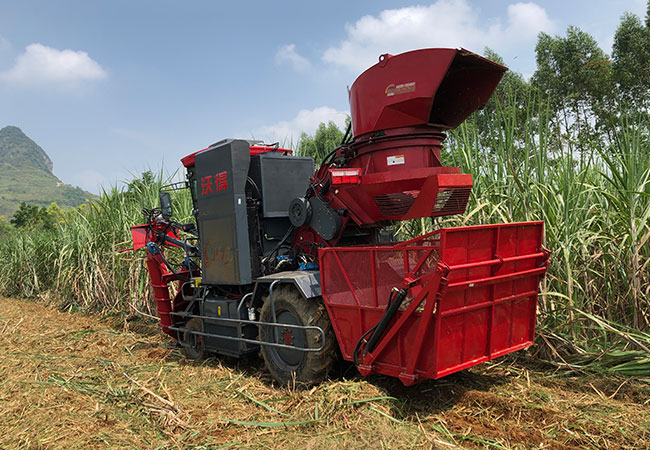
Farm managers must choose blade materials carefully before harvest begins. You have three primary categories to consider. Each offers distinct advantages and unique drawbacks. You must understand how they behave under extreme stress.
High-carbon steel provides a very low initial purchase cost. Suppliers stock these standard blades widely. You can source them easily during peak season rushes. They resist sudden impacts exceptionally well. They will not shatter when striking large hidden rocks. However, they suffer rapid edge degradation in sandy soils. You must calibrate the equipment height frequently. You will replace them often to maintain decent performance.
Boron steel alloys deliver a much better overall wear-to-cost ratio. Specialized heat treatment strengthens the internal metal structure significantly. This reliability ensures consistent sugarcane harvester cutting height specifications across typical fields. You get a steady, dependable cut all day long. They offer moderate lifespans in highly abrasive conditions. They bridge the gap perfectly between basic steel and expensive premium options.
Tungsten carbide offers truly exceptional abrasion resistance. It acts as an armored shield over the base metal surface. The blade maintains a sharp cutting plane significantly longer. This durability ensures precise height control shift after shift. The primary drawback involves a noticeably higher upfront cost. Furthermore, carbide remains very brittle by nature. It chips easily if it strikes hidden rocks aggressively.
Material Comparison Chart for Basecutter Blades
Material Type | Primary Advantage | Primary Disadvantage | Best Field Use Case |
|---|---|---|---|
High-Carbon Steel | Excellent impact resistance | Rapid edge wear in sand | Rocky, uneven terrain |
Boron Steel Alloys | Balanced wear-to-cost ratio | Moderate life in high silica | Standard loam soils |
Tungsten Carbide | Maximum abrasion resistance | Brittle and prone to chipping | Sandy, high-silica fields |
No single blade material works perfectly everywhere. You must match the specific metallurgy to your exact soil type. Implementation risks rise sharply when you ignore field realities. Blindly buying the cheapest option guarantees failure.
Sandy and high-silica soils demand extreme physical durability. Sand acts as an aggressive abrasive on any moving metal. You must deploy high-hardness materials here. Carbide coatings combat severe abrasive wear highly effectively. They help maintain a strictly uniform cutting plane. Without hard-facing, standard steel disappears within a single shift. You lose control over the equipment completely. The stubble grows taller as the shift drags on.
Rocky or uneven terrain requires a completely different tactical approach. Ultra-hard materials like carbide present serious financial risks here. Brittle fractures occur frequently when hard materials strike stones. A chipped blade performs significantly worse than a dull one. We recommend using tough, impact-resistant alloys for these challenging fields. Boron steel will bend or dull slowly over time. It rarely snaps upon heavy impact. You keep the machine running safely without catastrophic blade failure.
To make the right choice, perform a true cost-per-hectare analysis. Do not just look at the initial invoice price. Calculate the real return on investment accurately. Measure the blade cost against these specific operational savings:
Fuel savings generated by pulling sharp blades through dense stools.
Reduced mechanical downtime from executing fewer mid-day blade swaps.
Recovered yield tonnage from maintaining ideal, low cutting heights consistently.
Decreased maintenance costs on elevator and extractor fans.
A premium blade costing twice as much often pays for itself rapidly. It protects your overall yield and keeps your operation moving.
Choosing the right manufacturing partner is absolutely crucial. A reliable sugarcane harvester cutting height supplier guarantees consistent field performance. You must evaluate potential vendors rigorously before signing purchase orders. Follow these specific steps when auditing your supply chain.
Evaluate Vendor Metallurgy and Quality Assurance: Look closely at their testing protocols. Request official documentation on their batch testing procedures. Ask about their heat-treatment consistency records. A good partner tracks every production run meticulously. They ensure no soft metal batches slip into your inventory. You need absolute confidence in their ongoing manufacturing standards.
Verify Strict Equipment Compatibility: Sourcing materials designed for specific machine kinematics prevents disaster. You must verify blade weight carefully. Check the bolt hole patterns for exact matches. For instance, parts for an fmworld sugarcane harvester must meet precise dimensional tolerances. Incorrectly weighted blades cause severe rotor imbalance. This imbalance destroys expensive bearings and forces major mechanical downtime.
Assess Supply Chain Reliability: Evaluate their standing inventory depth before the harvest season begins. Check their promised lead times during peak demand periods. A great supplier holds robust buffer stock for emergencies. They also provide excellent technical support. They help you troubleshoot unusual wear patterns mid-season. Strong vendor support keeps your harvest firmly on schedule.
Blade material choices represent far more than a simple maintenance expense. They act as a direct driver of your overall harvest yield. The right metallurgy protects delicate ratoon health for future seasons. It keeps your machinery running smoothly without unnecessary mechanical strain. Neglecting this crucial detail leads directly to field losses and equipment failures.
You must take proactive steps today. Audit your current basecutter replacement frequency immediately. Cross-reference this usage data with your specific field soil types. Do this thorough analysis before your next major procurement cycle begins. Upgrade your blade materials where abrasive soils demand it. Switch to impact-resistant alloys in known rocky zones. Match the cutting tool to the environment for maximum agricultural success.
A: Replacement frequency depends entirely on soil abrasiveness and blade material. In highly sandy soils, standard steel blades may require daily replacement. Upgrading to hard-faced options extends this interval to weekly changes. Always monitor cut quality visually. Swap blades immediately when the edges round off or stool damage appears.
A: Industry benchmarks typically aim for ground level or just below the surface. This translates to an ideal range of 0 to -2 inches. Maintaining this exact plane ensures you capture maximum tonnage. It also guarantees clean cuts. Clean slicing prevents root shattering and protects delicate ratoon crop regeneration.
A: Yes. Aftermarket performance relies entirely on matched material specifications and dimensional accuracy. High-quality aftermarket blades can easily equal or exceed OEM parts. You must source them from a reputable, precision-focused supplier. Always verify the alloy composition, heat treatment, and exact bolt patterns before installation.


