
Views: 0 Author: Site Editor Publish Time: 2026-06-23 Origin: Site


Here is a concise opening introduction:
How much should you really spend on a corn harvester?
The answer depends on size, condition, features, and use.
In this guide, you will compare new, used, rental, and service options.
You will also learn what affects the final cost.
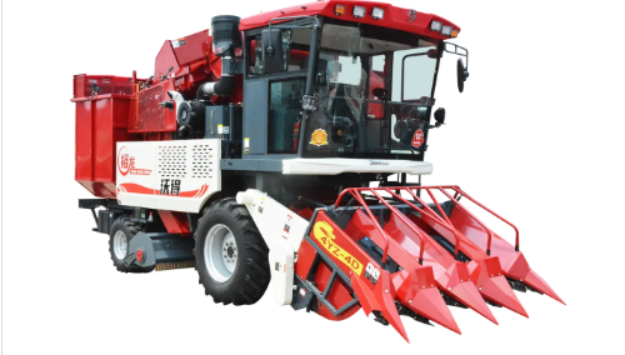
A new corn harvester price can vary widely. Basic or compact machines may suit small farms. Larger machines can cost far more, especially when they include advanced controls.
For many buyers, a new harvester machine is a major capital investment. A compact corn harvester may serve small plots, seed farms, or local use. A high-capacity corn combine harvester can handle large fields faster.
Exact pricing depends on market, configuration, and supplier. As a working estimate, compact machines may start from a lower budget range. Large combine-style units can reach a much higher price level. Buyers should always request a formal quote before planning financing.
A used corn harvester price is usually lower. It can be attractive for farms with limited budgets. Yet the lowest price is not always the best deal.
Used equipment pricing depends on several things. These include machine age, working hours, repair history, tire condition, header condition, and previous use. A well-maintained used corn harvester may offer strong value. A worn machine may bring costly downtime.
Used machines also vary by source. Some come from dealers. Others appear at auctions or private sales. Buyers should compare service records before choosing.
A small corn harvester price is usually easier to manage. These machines fit smaller farms, narrow fields, test plots, or local corn production. They may have lower fuel use and simpler maintenance.
A mini corn harvester price is often lower than a large unit. It may work well where labor is costly, but acreage is limited. It also helps farms that do not need large grain tanks or wide headers.
However, small machines have limits. They may harvest fewer acres per day. They may also need more passes. For larger farms, a low upfront price can create slower harvest work.
Large machines cost more because they do more. They harvest faster, process more crop, and reduce field time. They often include stronger engines, wider headers, better grain handling, and more operator comfort.
A commercial corn harvester also helps protect harvest timing. This matters when weather windows are short. Faster harvesting can reduce field losses and labor pressure.
The higher corn combine harvester price may still make sense. It depends on acreage, yield value, labor cost, and harvest risk. Large farms should compare machine cost against crop loss risk.
Rental can work when ownership feels too expensive. It is useful for seasonal needs or short-term projects. It also helps buyers test a machine before purchase.
Rental costs vary by location, machine size, and rental period. Daily, weekly, or monthly rates may apply. Delivery, insurance, operator training, and damage deposits may add extra cost.
Renting avoids long-term repair duties. Yet rental machines may not always be available during peak harvest. Early booking is important.
Custom harvesting is another option. In this model, a contractor charges per acre, per hour, or by local agreement. This can reduce capital pressure.
It suits small farms, occasional growers, and farms without trained operators. It also helps when storage, transport, and maintenance resources are limited.
The downside is scheduling. Contractors serve many farms during harvest. If timing slips, crop losses may increase. So the cheapest rate may not be the safest choice.
Option | Typical Budget Level | Best For | Key Consideration |
New corn harvester | Highest | Regular large-scale use | Strong reliability and support |
Used corn harvester | Medium | Budget-controlled farms | Inspection is essential |
Small or mini corn harvester | Lower | Small acreage | Limited daily capacity |
Rental machine | Short-term cost | Seasonal use | Peak-season availability |
Custom harvesting | Per-acre cost | Occasional users | Scheduling affects results |
Tip:Compare the cost per acre before comparing sticker prices.
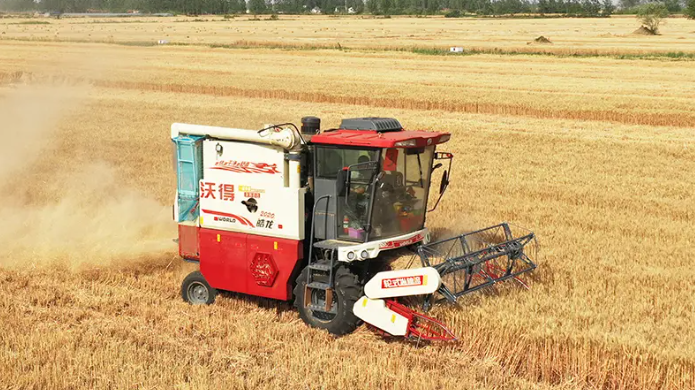
Size is one of the biggest price drivers. Larger machines need bigger engines, stronger frames, wider headers, and larger grain systems. They can harvest more acres per day.
A small corn picker may cost less upfront. Yet it may not match a tight harvest window. A larger combine harvester costs more, but it may reduce field delays.
The right choice depends on acreage. It also depends on crop density, field shape, and available labor.
Condition changes the real price. A used machine with low hours may cost more. Yet it may need fewer repairs.
Buyers should inspect belts, bearings, chains, tires, hydraulic lines, augers, and engine performance. They should also check maintenance records. A clean record adds trust.
Previous crop use also matters. Heavy crops and rough fields can increase wear. A machine may look fine, but hidden wear can raise future costs.
Technology can raise the corn harvester price. Common upgrades include GPS guidance, automatic steering, yield monitoring, data collection, and operator-assist systems.
These tools can improve efficiency. They may reduce overlap, operator fatigue, and harvest losses. For larger farms, the added cost may pay back over time.
For small farms, basic controls may be enough. Extra technology should match real field needs.
Headers and attachments affect the final price. A corn harvester may need a specific corn header. Multi-crop use may need extra attachments.
Some buyers forget this cost. They compare only the base machine price. Then the full package becomes much more expensive.
Ask what is included in the quote. Confirm the header, transport kit, spare parts, and basic service items.
A new corn harvester gives stronger predictability. It usually includes warranty support, newer technology, and lower early repair risk. Operators also benefit from better comfort and updated controls.
New machines fit farms that harvest many acres every year. They also suit farms where downtime would cost more than the machine payment.
The main downside is depreciation. New equipment often loses value faster during early ownership. Buyers need a clear long-term plan.
A used corn harvester can lower the upfront investment. It may also avoid the steepest depreciation period. This can help farms preserve cash flow.
Used equipment works well when acreage is moderate. It also fits buyers who can inspect, repair, and maintain machinery.
Some farms prefer used machines because they are simpler. They may also be easier to service locally.
Used machines can hide expensive problems. Worn headers, weak hydraulics, old tires, and damaged grain systems can raise costs fast.
Parts availability also matters. An older machine may be cheap, but parts may be harder to source. That can create downtime during harvest.
Buyers should not rely on photos alone. A field test is much safer.
Choose new if the machine will work many acres yearly. Choose used if budget matters more than the latest technology.
Small farms may prefer a corn picker, mini model, or custom harvesting. Larger farms may need more capacity and stronger support.
The best value is not always the lowest price. It is the machine that protects your harvest at the lowest total cost.
Buying makes sense when you use the machine every season. It also works when your acreage is large enough to spread the cost.
Ownership gives more control. You decide the harvest schedule. You can also maintain the machine your way.
However, ownership brings full responsibility. You pay for repairs, storage, insurance, fuel, and operator training.
Renting works for short harvest periods. It also helps farms avoid large upfront payments. Some buyers rent before checking a corn harvester for sale.
Rental can reduce maintenance pressure. It may also support farms during expansion. You can test capacity before committing.
Still, rental has risks. Peak-season demand can limit availability. The rental machine may not match your exact field needs.
Custom harvesting can be practical for small farms. It removes the need to buy, store, insure, and service a machine.
It also helps farms without trained operators. Contractors already have machines and field experience.
The main risk is timing. You depend on another schedule. If harvest runs late, crop quality may suffer.
Ask practical questions before choosing a cost model.
● How many acres need harvesting each year?
● How narrow is the harvest window?
● Do we have trained operators?
● Can we maintain the machine ourselves?
● Is local service available?
● What is the expected payback period?
● Will financing protect cash flow?
Corn harvester financing can help some buyers. It spreads payment over time. Yet financing still needs careful planning. Interest, service, insurance, and depreciation all affect the final cost.
The corn harvester machine price is only the starting point. Real ownership cost includes many ongoing expenses.
Buyers should calculate annual cost. Then they should divide it by acres harvested. This gives a clearer cost per acre.
A machine with a higher purchase price may still be cheaper per acre. This happens when it harvests faster and reduces losses.
Maintenance includes oil, filters, belts, chains, bearings, blades, lubrication, and seasonal inspection. Repairs may include hydraulic parts, electrical systems, tires, and header components.
A poor maintenance plan raises risk. Harvest season is the worst time for major repairs. Parts may be delayed, and service teams may be busy.
Routine service protects machine value. It also improves resale potential.
Fuel use can be significant during harvest. Larger machines may burn more fuel, but they can finish faster.
Labor is another major cost. Skilled operators reduce damage and improve productivity. Poor operation can increase grain loss.
Storage also matters. A corn harvester needs dry, safe space. Outdoor storage can shorten machine life.
Depreciation affects long-term cost. New machines often lose value faster at first. Used machines may depreciate more slowly.
Resale value depends on condition, service records, hours, and market demand. A clean, well-maintained machine can sell better later.
Keep records from day one. They help prove value during resale.
Start with acreage. A small farm may not need a large combine harvester. A large farm should avoid underpowered equipment.
Underbuying can delay harvest. Overbuying can waste capital. The right balance protects both cash flow and crop quality.
A maize harvester or compact corn picker may fit smaller operations. A larger corn combine harvester may fit commercial farms.
Purchase price can mislead buyers. Cost per acre gives a better view.
Include machine payment, fuel, labor, repairs, storage, and depreciation. Then compare those costs against harvested acres.
Also consider labor saved and losses reduced. A faster machine may protect more crop value.
Service support can matter more than the starting price. A cheap machine can become costly if parts are hard to find.
Check local repair support before purchase. Ask about common parts, response times, and seasonal service capacity.
A reliable service network reduces harvest risk.
Used equipment needs careful inspection. Check working hours, header wear, hydraulic pressure, engine smoke, tires, belts, chains, augers, and grain tank condition.
Ask for maintenance records. Request a working demonstration where possible.
If the seller refuses inspection, be careful. That may signal hidden problems.
Oversized machines cost more to buy, fuel, store, and maintain. They may also be harder to move between fields.
Buy capacity for real needs. Do not buy only for image.
Headers can change the final price. Crop-specific attachments may also add cost.
Always ask for a complete package quote.
The cheapest machine may cost more later. Poor reliability, hidden wear, and weak parts support can damage the budget.
Low price should never replace inspection.
Breakdowns during harvest can be expensive. They may cause crop losses and rushed repairs.
Plan service before harvest starts. Keep key wear parts ready.
A corn harvester cost depends on size, condition, capacity, attachments, and ownership model.
Buying suits regular use, while renting or hiring helps reduce upfront investment.
Before choosing, compare purchase price, repairs, fuel, labor, storage, and cost per acre.
Leading Agricultural Harvesters & Tractors Manufacturer - FMWORLD
Jiangsu World Agricultural Machinery Co., Ltd. offers reliable corn harvester solutions for efficient fieldwork.
Our equipment helps farms improve harvest speed, reduce labor pressure, and protect long-term value. If you have any questions about Agricultural Harvesters & Tractors, please feel free to contact us!
A: Corn harvester cost depends on size, condition, capacity, attachments, and technology.
A: Yes, a used corn harvester price is usually lower, but inspection matters.
A: Corn harvester price changes by machine type, features, hours, and service support.
A: A mini corn harvester price suits small farms and limited acreage.
A: Corn harvester financing spreads payments, but total ownership cost still matters.


