
Views: 0 Author: Site Editor Publish Time: 2026-09-22 Origin: Site


Standardized agricultural machinery is designed for the median plantation. However, the median plantation does not actually exist in reality. For large-scale agribusinesses, settling for off-the-shelf equipment often causes silent profit leaks. These losses manifest through fuel inefficiency, delayed mill deliveries, or excessive soil compaction. While standard throughput ratings satisfy average daily operations, they fall short elsewhere. Edge-case terrains, aggressive harvesting windows, and specific crop yield densities require a highly tailored approach to machine sizing.
Equipment mismatches directly erode your harvest margins before the crop even reaches the mill. This guide provides a clear framework to determine if your operation’s primary bottleneck stems from an equipment mismatch. You will learn how to evaluate specific field indicators demanding specialized machinery. Ultimately, we explore when investing in a customized setup yields a highly positive financial return for your agricultural enterprise.
Manufacturers list equipment capacity based on ideal test environments. These test plots feature flat ground, perfect weather, and continuous transport availability. Reality rarely matches these conditions. Fields get muddy. Slopes reduce operational speed. Transport delays force the machine to idle. Therefore, standard sugarcane harvester capacity specifications often mislead buyers. The machine rarely hits peak extraction numbers in real dirt. You must calculate your actual field efficiency rather than relying on a brochure metric. If you base your purchasing decision solely on theoretical tonnage, you will inevitably experience operational shortfalls during the peak harvest season.
Running an under-capacitated machine destroys profitability. When equipment cannot harvest fast enough, the harvesting window extends dangerously. Cut-to-crush times over 24 hours trigger rapid sucrose inversion. You lose sugar content by the hour. The mill penalizes you for degraded crop quality. Furthermore, under-capacity forces operators to push the equipment beyond safe limits. This aggressive operation spikes hydraulic temperatures and breaks basecutter blades. You end up paying for both lost sugar yields and emergency maintenance. Assessing your true volume needs prevents this costly downward spiral.
Going too large presents equally damaging financial consequences. Oversized engines burn extra fuel simply moving their own weight across the field. Capital expenditure spikes unnecessarily. When you deploy a massive machine in a low-yield field, it runs well below its optimal engine load. Low load factors lead to incomplete combustion and carbon buildup. You pay a premium for capacity you cannot utilize. Additionally, heavier machines cause severe soil compaction. Compacted soil restricts root growth for the next ratoon crop, actively lowering your future yields.
Common Mistake: Many farm managers assume upgrading to the largest available model automatically resolves harvest delays. In reality, oversized equipment only exacerbates fuel costs and soil damage if your transport fleet cannot handle the increased output volume.
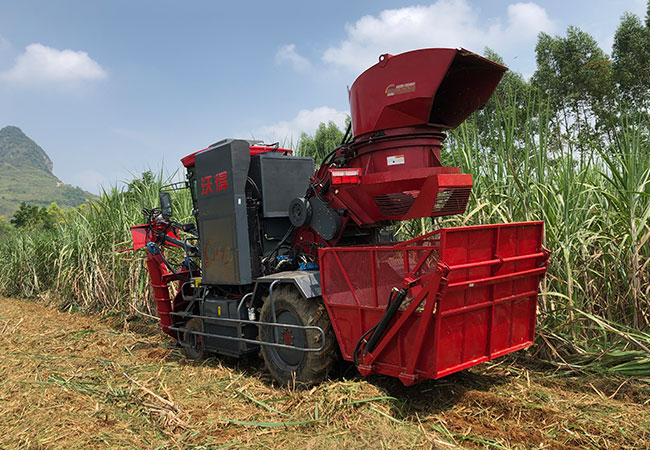
How do you know standard models are failing your specific plantation? Look for these four distinct operational indicators in your fields:
High gradients and high-moisture soils demand specialized engineering. Standard machines struggle to maintain traction on steep inclines. Operators must slow down significantly to prevent rollover incidents. Muddy conditions require modified power-to-weight ratios to prevent excessive soil compaction. A customized machine solves this by redistributing the center of gravity. Upgraded track systems offer better flotation. You maintain high extraction rates without destroying the field structure. If your land routinely bogs down standard tractors, a custom track and weight configuration is mandatory.
Modern agronomy frequently experiments with row configurations to maximize land use. Some plantations utilize dual-row setups. Others use ultra-wide spacing for controlled traffic farming. Standard basecutters do not align properly with these unique layouts. If tracks do not match row spacing, the machine crushes adjacent stools. This stool damage destroys your next harvest. You must request custom track widths and basecutter alignments. Perfect alignment ensures clean cuts and protects the root system for the upcoming ratoon cycle.
Harvesting speed means nothing if infield transport cannot keep up. You must frame capacity as a synchronized ecosystem. If the sugarcane harvester outpaces the tractor-trailer units, it sits idle at the end of the row. Idle time completely negates the high-capacity advantage. Conversely, if transport units wait on a slow machine, you waste hauling fuel. Custom capacity aligns the machine’s output precisely with your hauling fleet’s cycle time. You achieve continuous movement, maximizing both fuel efficiency and labor hours.
Exceptionally high-yield crop varieties present a physical challenge to machinery. Standard chopper and extractor systems choke when fed massive volumes of biomass. Billet quality suffers, and the primary extractor fan fails to remove trash effectively. You end up delivering dirty cane to the mill. High biomass environments necessitate custom throat dimensions. Wider feed rollers prevent blockages. Upgraded primary extractor fan speeds handle the extra leaf matter. Adapting these specific components ensures clean billets even in record-breaking crop densities.
| Factor | Standard Model | Custom Build |
|---|---|---|
| Upfront Capex | Lower | 15% to 30% Premium |
| Delivery Time | Immediate to 3 Months | 6 to 12 Months |
| Field Efficiency | Moderate (General Use) | High (Targeted Use) |
| Fuel Consumption | Average baseline | Optimized per ton harvested |
Custom machinery requires a higher initial investment. You must calculate the exact return on investment (ROI) breakpoint. How many tons of harvested cane per season amortize the premium of a custom-built machine? Analyze your current losses from sucrose degradation, fuel waste, and mill penalties. If your operation loses tens of thousands of dollars annually due to standard equipment delays, the custom premium pays for itself quickly. Long-term financial efficiency always outweighs short-term sticker shock when managing large acreage.
Custom equipment introduces a primary risk: proprietary parts. If a bespoke hydraulic pump fails mid-season, waiting three weeks for a replacement halts your entire operation. You must advise buyers to mandate smart engineering. Custom capacity modifications should utilize off-the-shelf components wherever possible. Customizing the frame or throat width is safe. However, standard hydraulics, hoses, and belts must remain universal. This hybrid approach prevents catastrophic downtime. You get the benefit of custom performance with the security of standard maintenance.
Custom requests require extended production cycles. You cannot order a custom build a month before the harvest season begins. Engineers need time for CAD modeling and structural simulations. Factories must prototype the modifications. Localized field testing ensures the changes actually work. You must account for a realistic 6-to-12-month lead time. Planning your fleet upgrades a year in advance allows for proper testing before the seasonal deployment window opens.
Best Practice: Always request a phased delivery schedule. Have the manufacturer deliver the prototype unit well before peak season. This gives your operators time to familiarize themselves with the new controls and capacity limits.
A reliable sugarcane harvester capacity supplier operates with complete transparency. They do not just promise arbitrary performance boosts. Look for manufacturers willing to share actual engineering simulation data. They should provide specific fuel consumption curves based on your requested throughput. If a vendor refuses to share technical stress-test results, walk away. Transparency proves their engineering team actually understands the physics of high-capacity agricultural extraction.
Never accept a custom specification without field validation. A credible supplier will test the equipment in environments mimicking your own. They send field engineers to monitor the prototype during actual cutting operations. They measure billet quality, trash content, and hydraulic temperatures under real loads. This validation phase catches design flaws before full fleet production begins. Demand a localized testing phase in your purchasing contract to ensure operational safety.
Evaluate suppliers based on their existing platforms. Brands offering an fmworld sugarcane harvester or similar tier equipment often excel at adaptive engineering. Focus on their willingness to adapt proven baseline models. Adjusting engine mapping or tuning hydraulic flow yields massive capacity improvements safely. Avoid vendors who force buyers into entirely bespoke, untested platforms. Modifying a robust, proven chassis carries far less mechanical risk than building a new machine from scratch. You want scalable sugarcane harvester capacity, not an experimental prototype.
Even the best machines break down in harsh agricultural environments. Your vendor relationship extends long past the delivery date. Ensure the supplier guarantees expedited shipping for any custom-fabricated wear parts. Negotiate strict Service Level Agreements (SLAs) dictating maximum response times for technician support. If the manufacturer cannot guarantee 48-hour parts availability during peak season, their custom machine will eventually become a very expensive lawn ornament.
Requesting a custom capacity is a deeply strategic decision. It shifts your harvesting equipment from a generic operational expense into a distinct competitive advantage. Standardized machines serve the masses, but specialized agribusinesses require precision engineering to maximize yields.
If your standard fleet experiences chronic downtime, standard models are actively limiting your profitability. High fuel-per-ton ratios and failed mill quotas, despite optimal operator performance, clearly signal an equipment mismatch. You cannot force a standard machine to achieve custom results.
Take these actionable next steps to begin your fleet optimization:
A: A realistic timeline ranges between 6 and 12 months. This timeframe heavily depends on the extent of the engineering changes. Minor hydraulic tweaks take less time, whereas structural modifications require extensive CAD modeling, prototyping, and mandatory field testing before final delivery.
A: OEM-led customizations remain fully warrantied by the factory because the original engineers validate the changes. Conversely, aftermarket third-party modifications almost always void standard standard warranty protections, leaving you fully liable for structural failures.
A: Retrofitting has strict physical limitations. You can upgrade minor components, but core systems like hydraulic pump limits and chassis strength cap the potential gains. Ground-up OEM capacity adjustments ensure the entire machine safely handles the increased stress.
A: The relationship between capacity and fuel is non-linear. While a larger engine burns more fuel per hour, properly matched capacity drastically reduces the fuel used per ton harvested. You finish fields faster, eliminating costly idle times.


