
Views: 0 Author: Site Editor Publish Time: 2026-09-14 Origin: Site


Accepting delivery of a heavy agricultural machine transfers the risk from the dealer directly to your operation. A missed defect at handover can result in catastrophic downtime during the narrow harvesting window. You need absolute certainty before integrating new machinery into your fleet. Your field teams depend on reliable performance from day one.
Pre-Delivery Inspections (PDI) for heavy ag equipment go far beyond a simple walkaround. They require validating structural integrity, testing hydraulic calibration, and ensuring strict contract compliance. Modern agricultural machinery contains highly sensitive digital and mechanical networks. These components often shift or sustain damage during transport. Relying solely on a dealership's word leaves your operation vulnerable.
Before signing the final acceptance protocol, procurement teams and head operators must execute a systematic evaluation of the machine and the handover terms. This article provides a comprehensive inspection framework. You will learn how to audit physical components, test operational safety, and verify supplier documentation to protect your harvest schedule.
Accepting unverified equipment immediately voids your initial buyer leverage. Dealerships inherently prioritize volume and rapid inventory turnover. Buyers must strictly prioritize field readiness. Once you sign the final delivery receipt, the operational burden shifts entirely to your team. Any undocumented flaw becomes your immediate problem.
The cost of failure is steep. A faulty hydraulic pump or a misaligned basecutter discovered on day one of the harvest can cost thousands daily. You lose expected crop yield. You pay idle labor crews. You miss critical weather windows. A seemingly minor issue like a pinched hose can sideline an entire harvesting operation within hours.
Your primary goal during an inspection is to move the asset from "delivered" to "field-ready." You must establish a documented baseline of the machine’s actual condition. This documented baseline shifts accountability for pre-existing flaws back to the manufacturer. It forces the dealership to rectify issues before they impact your farm.
Consider these success criteria for your inspection process:
Always conduct this evaluation with your chief mechanic present. Their practical experience allows them to spot anomalies untrained eyes miss. They understand where factory assembly teams most frequently cut corners. They know which hydraulic seals typically weep under early pressure.
Never assume the delivered machine precisely matches your purchase order. You must physically audit the machine to ensure it matches the sugarcane harvester specifications detailed in your purchasing contract. Start by checking the machine’s primary ID plates. Compare the chassis serial numbers directly against your delivery paperwork.
Ensure the engine model, horsepower rating, and emission standards match the exact contract. Engine tier regulations strictly govern environmental compliance in many regions. Receiving a Tier 3 engine when you ordered a Tier 4 Final engine creates massive legal and operational headaches. Verify the cooling pack size matches tropical configuration requirements if operating in hot climates.
Check whether the track or tire configuration matches your field profile. Undercarriage adaptability dictates your ability to harvest in diverse weather. High-flotation tracks work best for muddy terrain. Standard tires suit firm soils and allow faster road transport. Confirm the track width aligns with your specific soil compaction limits.
You must confirm you received the exact brand and variant ordered. Dealerships sometimes substitute similar models due to supply chain delays. Verify the specific build tier of your Case IH, John Deere, or fmworld sugarcane harvester. Look for the specific factory packages you requested. These might include upgraded lighting kits or reinforced basecutter housings.
Ensure the machine meets local transport compliance guidelines. Measure the physical footprint. It must match your requested row-spacing specifications. Incorrect row spacing causes severe crop stool damage during harvesting. This damage reduces ratoon crop yields in subsequent seasons.
Table: Primary PDI Verification Benchmarks
| Component Category | Expected Standard | Common Red Flags |
|---|---|---|
| Engine & Powertrain | Serial matches PO; proper emission tier. | Mismatched serials; incorrect horsepower output. |
| Undercarriage | Tracks/tires match soil requirements. | Incorrect track width; missing flotation upgrades. |
| Dimensions | Matches field row spacing perfectly. | Too wide for transport; misaligned wheel track. |
| Software Build | Latest OEM firmware installed. | Outdated interface; lagging monitor inputs. |
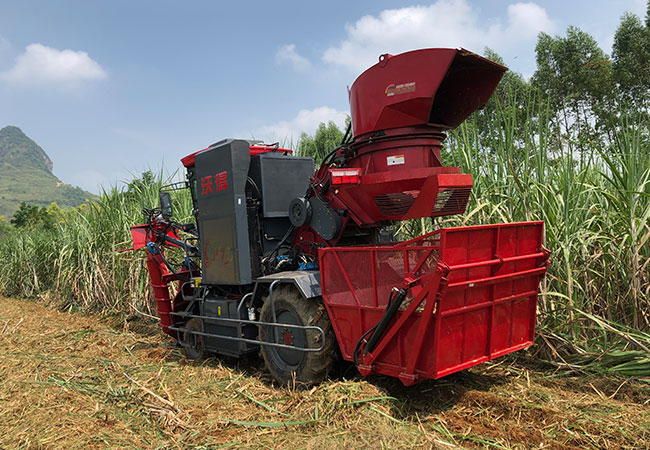
A thorough mechanical inspection ensures your sugarcane harvester performs seamlessly under high field stress. You must inspect the entire hydraulic network closely. Factory assembly lines occasionally misroute hoses. Look for any high-pressure hoses experiencing pinching. Search for signs of factory-installation abrasion against metal brackets.
Under high vibration and pressure, a rubbing hose will quickly burst mid-harvest. Check all coupling joints for minor fluid weeping. Even a single drop of hydraulic fluid indicates an improperly torqued fitting. Weeping seals rapidly degrade once the machine hits operating temperatures in the field.
Next, evaluate the cutting and chopping assemblies. These components endure the most punishment.
Move to the engine and powertrain modules. Check all vital fluid levels before attempting an engine start. Verify the engine oil, hydraulic fluid, and radiator coolant sit at optimal marks. Fluid discoloration suggests poor factory testing procedures.
Look carefully for unpainted or severely scratched hardware around the engine block. Scratched bolts often indicate rushed factory rework. If someone replaced a component post-assembly, you need to know why. Ask the delivery agent for the machine's factory testing logs to verify passing scores.
Modern machinery relies heavily on digital interfaces and electronic control units (ECUs). The cabin serves as the operational nerve center. Begin your evaluation with a comprehensive cold start test. Observe the engine behavior closely. Watch for unusual exhaust smoke during initial cranking. Check the primary monitor for active system diagnostic codes.
Verify that the primary monitors, yield trackers, and joystick controls respond without latency. Sluggish joystick response creates dangerous field conditions. Operators need immediate feedback when adjusting basecutter heights. Check that the onboard software is updated to the latest OEM version. Outdated software often contains bugs causing sudden system reboots.
Safety and environmental controls require meticulous validation. You must test the HVAC systems thoroughly. A functioning air conditioner is crucial for operator endurance in tropical harvesting climates. Heat exhaustion leads to operator error and severe accidents. Let the AC run for fifteen minutes to verify sustained cooling capacity.
Test all external safety features before authorizing field deployment.
Safety mechanisms cannot be an afterthought. An inoperable kill switch poses a severe liability risk. If an operator loses control or a mechanism jams, the system must power down instantly. Never accept a machine exhibiting electrical faults.
The physical hardware inspection represents only half the acceptance process. Administrative documentation strictly protects your legal and financial rights. Do not accept the machine without a counter-signed, clearly dated warranty certificate. The warranty period must activate on the actual day of field delivery, not the factory shipping date.
Ensure the inclusion of all vital maintenance assets. Verify you received hard-copy operator manuals. Check for specific parts catalogs matching your exact build. The manufacturer must include the specialized factory toolkit. Missing diagnostic cables or proprietary wrenches will halt your maintenance crew during a breakdown.
Review the post-sale Service Level Agreement (SLA). Reiterate the sugarcane harvester supplier’s formal commitment to spare parts availability. Maximum response times during peak harvest season must be explicitly guaranteed. A supplier promising 24-hour part delivery must have a localized parts depot to support that claim.
If your inspection reveals minor, non-critical issues, document them immediately. Scratched side panels or missing decals do not warrant rejecting the machine outright. Document these items in a formal "Punch List." Ensure this list is signed by the delivery agent before final acceptance.
A signed punch list legally obligates the dealer to correct minor defects within a specific timeframe. Never rely on verbal promises from delivery personnel. Demand a binding remediation timeline in writing. This ensures minor annoyances do not become permanent features of your new equipment.
Accepting a heavy sugarcane harvester is a significant legal and operational milestone. A rigorous pre-delivery inspection safeguards your massive capital investment. It ensures harvest continuity by preventing predictable day-one failures. Transitioning a machine from delivery to field operations requires systematic verification of both mechanical integrity and contract compliance.
Equip your receiving team with a standardized, printed checklist before the truck arrives. Always involve your chief mechanic in the physical walkaround to spot subtle factory defects. Verify all digital interfaces, safety kill switches, and hydraulic routings meticulously. Finally, never let rushed delivery schedules pressure you into skipping validation steps. Demand full documentation and enforce a strict defect-resolution framework.
A: A thorough technical and administrative inspection typically requires 2 to 4 hours when conducted by an experienced mechanic and procurement officer.
A: Document the defects with photos and log them on the delivery receipt. For critical failures (e.g., hydraulic leaks, wrong engine spec), refuse final acceptance until the supplier rectifies the issue or provides a binding remediation timeline.
A: While full field testing is rarely permitted before signing the initial delivery receipt, you should stipulate a "conditional acceptance" clause subject to a successful first-day field trial.
A: Factory assembly lines occasionally misroute hoses. Under high vibration and pressure, a rubbing hose will burst mid-harvest, causing severe environmental hazard and operational downtime.


