
Views: 0 Author: Site Editor Publish Time: 2026-02-13 Origin: Site


A combine harvester is an indispensable machine in modern agriculture. As a vital piece of equipment for harvesting, threshing, and cleaning grain crops, it plays a central role in improving farming efficiency. With the continuous advancement of technology, modern combine harvesters have evolved into complex machines that not only save time but also enhance the precision and productivity of the harvest process.
The combine harvester combines several operations into one machine, including reaping, threshing, and winnowing, all of which were once done manually or with separate machines. The first combine harvester was introduced in the 1830s, and over time, technological advancements have significantly improved its efficiency, fuel consumption, and overall performance.
Today’s combine harvesters are powered by robust engines, equipped with advanced controls, and designed with innovative features to enhance both the user experience and crop yield. These machines are now capable of working on large agricultural fields with minimal human intervention, drastically reducing the labor and time needed for harvesting.
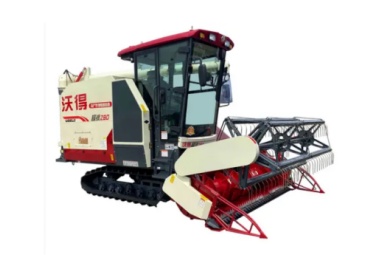
The header system is one of the most critical components of a combine harvester, as it plays a pivotal role in the harvesting process. This part of the machine is responsible for cutting and collecting the crop as it passes through the field. Typically, the header consists of several key elements: a cutting bar, augers, and sometimes a reel. The cutting bar, often fitted with sharp blades, is responsible for slicing through the crops. The augers then help move the cut crops towards the threshing system, while the reel works to move the crops evenly toward the cutting area.
The design and size of the header system vary depending on the type of crop being harvested. For example, headers designed for cereal crops, such as wheat or barley, are different from those made for harvesting corn or rice. A corn header, for instance, is designed with specialized components to handle the stalks and ears of corn, whereas a cereal header is optimized for cutting and gathering grains like wheat or oats. The versatility of the header system ensures that combine harvesters can handle a variety of crops, enhancing the efficiency of agricultural operations.
One of the most significant advancements in header technology is the flexible header design. Modern headers allow the operator to adjust the cutting height depending on the terrain and crop conditions, ensuring a clean and efficient harvest. This feature minimizes crop damage and optimizes yield. In addition to adjustable cutting height, some headers are now equipped with sensors that enable precise control over the cutting process. These sensors ensure that the harvester cuts the crop at the optimal height, preserving the quality of the grain while also preventing unnecessary waste. The cutting system is often designed with self-leveling technology, which allows the header to maintain an even cut even when the terrain is uneven, providing a smoother and more efficient harvesting experience.
Once the crop is collected by the header, it is moved into the threshing system, which is responsible for separating the grains from the straw and husks. The threshing system plays a crucial role in the efficiency of the harvest, and modern combine harvesters use different methods for this process. The traditional method involves the cylinder and concave system, where the crop is processed by a rotating drum (the cylinder) and a set of stationary concaves that help break apart the crop.
The cylinder-threshing system works by rotating the crop within the cylinder, applying centrifugal force to separate the grains from the straw. The concaves provide a surface for the grains to fall through while allowing the straw to pass over them. This system is highly effective for a wide range of crops and is widely used in conventional combine harvesters.
After the threshing process, the harvested crop moves into the cleaning system, where the separated grain is cleaned of any remaining impurities such as chaff, dust, and straw. The cleaning system of a combine harvester consists of several key components, including air channels and sieves, which work together to separate the lighter materials from the heavier, clean grain.
The cleaning process begins with a stream of air that blows away lighter particles, such as chaff and dust, from the harvested grain. The grain is then passed through a series of sieves, which filter out larger debris. The design of the cleaning system allows for the grains to be separated effectively, ensuring that only clean, usable grain is stored in the grain tank.
After the cleaning process, the harvested and cleaned grain is transferred into the grain tank. The size of the grain tank varies depending on the model of the combine harvester, but it typically ranges from 150 to 500 bushels. Larger tanks allow the combine harvester to continue harvesting for longer periods without needing to stop for unloading. This increases operational efficiency and helps farmers complete their work more quickly, which is crucial during the busy harvest season.
Modern combine harvesters are equipped with on-the-go unloading systems, which allow operators to unload the grain into trucks while the harvester continues its work in the field. The unloading system is usually fitted with a large auger that can be adjusted to different angles, allowing for precise unloading even in fields with challenging terrain. The ability to unload while the harvester is still operating minimizes downtime and keeps the machine running efficiently.
The performance of a combine harvester is largely dependent on its engine and powertrain. Combine harvesters are equipped with high-horsepower engines to provide the necessary power to operate all the various systems within the machine. These include the header, threshing drum, cleaning system, and unloading auger, all of which require substantial power to function efficiently.
Modern combine harvesters come with highly efficient engines that not only ensure high productivity but also contribute to reduced fuel consumption, which is essential for reducing operating costs. Advanced engines are often designed with fuel-efficient technology that optimizes fuel usage, allowing for longer operating hours with less frequent refueling.
Modern combine harvesters are increasingly equipped with precision farming technologies that help farmers optimize their harvests. These include GPS systems, yield monitors, and auto-steering systems, which allow for more accurate and efficient harvesting operations.
GPS systems enable operators to track the harvester's position in real time, which helps in mapping the field and ensuring no area is left unharvested.
Yield monitors provide data on the crop’s yield as the combine harvests, allowing farmers to assess field performance and make data-driven decisions for future planting.
Auto-steering systems help guide the harvester along straight lines, reducing operator fatigue and ensuring that every pass is as efficient as possible.
Modern combine harvesters are designed with the operator in mind. The operator’s cabin is often equipped with air-conditioning, ergonomic seating, and advanced control systems that allow for comfortable, long hours of operation. The controls are often centralized in one console, making it easier for the operator to monitor the harvester's performance and make real-time adjustments.
Some combine harvesters are also equipped with telemetry systems, which allow for remote monitoring and diagnostics. This feature ensures that potential issues can be detected early, minimizing downtime and reducing maintenance costs.
Combine harvesters have seen tremendous innovations over the years, especially with the advent of automation and data-driven agriculture. Some of the most exciting developments include:
Autonomous Combine Harvesters: With the development of AI and automation, some manufacturers have introduced autonomous combine harvesters. These machines can operate without human intervention, using sensors and cameras to navigate the field, optimize harvesting, and detect obstacles.
Hybrid Systems: Hybrid combine harvesters, which combine traditional threshing systems with rotary or air-assisted technologies, are gaining popularity. These machines are designed to offer better adaptability to different crop types, improving harvest quality and efficiency.
Fuel Efficiency: As fuel prices continue to rise, manufacturers are focusing on making combine harvesters more fuel-efficient. Engine management systems, hybrid powertrains, and efficient threshing systems are helping reduce fuel consumption.
A combine harvester is an essential tool for modern farmers, offering unparalleled efficiency in harvesting, threshing, and cleaning crops. The key features such as the header system, threshing system, cleaning and separation technology, and advanced engine power make these machines invaluable in increasing productivity and ensuring a high-quality harvest.
As technology continues to advance, combine harvesters are becoming even more efficient, automated, and user-friendly. The integration of precision farming tools and automation will undoubtedly shape the future of agriculture, leading to even higher yields and better management of agricultural operations.
To discover more about the different types of combine harvesters and how they can be tailored to meet the needs of your farm, we invite you to explore our insights and reach out to us for more detailed recommendations and solutions. Jiangsu World Agricultural Machinery Co., Ltd. is ready to help you choose the right combine harvester for your agricultural needs.


