
Views: 0 Author: Site Editor Publish Time: 2025-12-30 Origin: Site


Wheat harvesters play a crucial role in modern farming, transforming the way wheat is collected from fields. These machines combine multiple functions—cutting, threshing, and cleaning—into one seamless operation, allowing for faster, more efficient harvesting. In contrast, manual harvesting involves labor-intensive tasks such as cutting wheat by hand, binding it into sheaves, and threshing the grain. While still used in some smaller-scale farms, manual methods are slow, physically exhausting, and prone to greater crop loss. As the agricultural industry continues to scale, mechanization through wheat harvesters has become the preferred choice, providing farmers with a more efficient, cost-effective, and less physically demanding solution for large-scale wheat harvesting.
One of the primary advantages of using a wheat harvester over manual labor is the significant increase in efficiency and speed. Wheat harvesters can cover vast areas in a fraction of the time it takes to harvest by hand. While manual harvesting may take days or even weeks to complete, a wheat harvester can quickly harvest large fields in just a few hours, allowing farmers to reduce the overall time spent on harvest. This time reduction per hectare enables farmers to manage multiple fields or crops more effectively, ensuring that harvests are completed within the optimal time window, thereby reducing the risk of crop loss or quality degradation.
Wheat harvesters not only speed up the process but also increase productivity by providing consistent and reliable output. Unlike manual labor, which can be subject to human fatigue and inconsistent results, wheat harvesters work continuously without loss of efficiency. This results in higher harvesting capacity and a more uniform harvest with fewer chances of missed or unharvested crops. Furthermore, harvesters reduce crop loss, as they are designed to cut the plants more efficiently and collect the grain with minimal waste, ensuring that more of the crop is harvested and processed.
Using a wheat harvester is far more cost-effective in the long run compared to manual harvesting. While the initial cost of a wheat harvester may be high, the reduction in labor costs quickly offsets this investment. Mechanized harvesting reduces the need for large numbers of workers, lowering wages and operational costs. Additionally, the fuel consumption of modern harvesters is optimized, and they are designed to work efficiently, minimizing fuel and maintenance costs over time. This makes wheat harvesters an economical solution for large-scale farms, as they allow farmers to save money on labor and fuel while significantly improving harvest speed and productivity.
Wheat harvesters offer superior harvest quality by providing more uniform cutting. Unlike manual labor, which can result in uneven cuts, wheat harvesters ensure that the crop is harvested at the optimal time and with consistent precision. This leads to fewer damaged plants and a cleaner harvest, which in turn improves the overall quality of the grain. By harvesting crops at the right time, harvesters also help prevent losses due to over-ripening or delayed harvesting, ensuring that the crop is harvested when it's most valuable.
Manual harvesting is physically demanding, requiring workers to bend, cut, and lift heavy bundles of wheat throughout the day. This repetitive work can lead to muscle strain, fatigue, and injuries. In contrast, wheat harvesters reduce the physical demands on workers by allowing them to operate machinery rather than perform manual labor. This not only makes the job easier but also improves worker safety and comfort. By reducing the physical strain, farmers can retain a healthier, more productive workforce, while minimizing the risk of accidents or injuries commonly associated with manual labor.
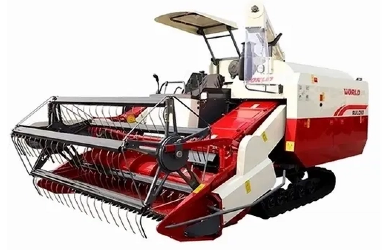
Modern wheat harvesters are designed with advanced technologies that help minimize soil compaction, a common issue when heavy machinery repeatedly passes over fields. Soil compaction can lead to poor water infiltration, reduced root growth, and overall soil degradation. However, modern harvesters are built with features like larger tires, tracked systems, and lighter machine designs, which help distribute weight more evenly across the field. This reduces the amount of pressure exerted on the soil, especially in large-scale operations, preventing soil from becoming overly compacted. By minimizing compaction, wheat harvesters promote healthier soil, allowing for better root development, improved water retention, and ultimately better crop yields, contributing to sustainable farming practices in the long run.
Another significant operational advantage of wheat harvesters is their ability to collect and analyze valuable data on key field conditions. Equipped with advanced sensors and data monitoring systems, modern harvesters can track various metrics, including yield, moisture content, and overall field conditions. This data provides farmers with crucial insights for better resource management.
Yield Monitoring: By tracking the yield data during harvest, farmers can assess the productivity of specific areas in their fields. This allows for more informed decisions about crop rotation, fertilization, and irrigation for future seasons.
Moisture and Field Condition Tracking: Monitoring moisture levels and field conditions ensures that the crop is harvested at the optimal time, reducing the likelihood of crop damage or loss. Additionally, it helps farmers make decisions about irrigation and fertilizer use, improving efficiency and reducing waste.
This ability to gather real-time data allows for more effective resource planning, ensuring that inputs like water, fertilizer, and labor are used efficiently. By using data to manage resources more effectively, wheat harvesters help farmers not only increase their yield but also reduce operational costs and enhance the sustainability of their farming practices.
A wheat harvester can cover significantly more ground per hour, allowing farmers to harvest entire fields in just a fraction of the time it would take using manual labor. While manual harvesting requires workers to cut, bind, and thresh the wheat by hand, which can take days or even weeks depending on the field size, a wheat harvester can complete the same task in just a few hours. This increase in speed not only saves time but also allows farmers to harvest larger areas, ensuring that crops are gathered at their optimal time and reducing the risk of crop loss.
By reducing the need for multiple workers and speeding up the entire harvest process, a wheat harvester dramatically lowers labor costs over the long term. Since harvesters are designed to work efficiently without the need for manual labor, farmers can cut down on the number of workers required for the job. This reduction in labor needs directly translates to lower wages, fewer associated expenses, and a more cost-effective operation. Additionally, the faster harvesting times mean farmers can allocate resources more effectively, allowing for faster turnover and reducing downtime between harvesting seasons.
Yes, wheat harvesters are engineered to provide uniform cutting, ensuring that crops are harvested with minimal damage. Unlike manual harvesting, where workers may cause uneven cuts or damage to the plants, a wheat harvester ensures a cleaner and more consistent process. The machine is designed to cut at the optimal height, reducing the chances of damaging the plants or leaving grain behind. This uniformity results in a higher quality harvest and less waste, improving the overall yield and reducing the risk of crop loss compared to manual methods.
Modern wheat harvesters are built with features designed to minimize their environmental impact. They are equipped with larger tires or tracked systems that help distribute the weight more evenly across the field, reducing soil compaction. Soil compaction can negatively affect future crop growth and water retention, but these innovations help maintain soil health. Additionally, many wheat harvesters are optimized for fuel efficiency, reducing overall fuel consumption and lowering greenhouse gas emissions. These features, combined with data-driven resource management, ensure that wheat harvesters are an environmentally sustainable option for large-scale farming.
Wheat harvesters not only increase the speed of the harvesting process but also improve overall farm productivity. By automating the harvesting process, they reduce the time and effort needed to gather the crop, allowing farmers to focus on other aspects of farm management. The increased efficiency also ensures that harvests are completed on time, reducing the risk of crops being left in the field too long and suffering from weather-related damage. Moreover, modern harvesters equipped with data-tracking systems allow farmers to make better decisions on crop management, irrigation, and future planting, further boosting long-term productivity and profitability.
In conclusion, the benefits of using a wheat harvester over manual harvesting are significant and far-reaching. Wheat harvesters offer increased efficiency and speed, enabling farmers to harvest large areas quickly and consistently, reducing the time per hectare and allowing for more timely collection of crops. They also provide higher productivity with more consistent results, minimizing crop loss and ensuring optimal harvest quality. Additionally, mechanized harvesting reduces labor costs and physical strain on workers, making it a more cost-effective and sustainable solution in the long run. By improving harvest quality and reducing crop damage, wheat harvesters ensure a cleaner, more valuable harvest. Adopting mechanization is essential for modern farming, as it not only boosts efficiency and productivity but also contributes to more sustainable practices, ensuring that farms can meet growing global food demands while minimizing environmental impact. Mechanized wheat harvesting is a vital tool for modernizing agriculture, enhancing both the profitability and sustainability of farming operations.

