
Views: 0 Author: Site Editor Publish Time: 2025-12-07 Origin: Site


In the world of modern agriculture, efficiency is key. Whether you're working with large-scale crops or small fields, having the right machinery can significantly boost productivity and reduce labor costs. One such essential piece of equipment is the combine harvester, a powerful machine designed to streamline the harvesting process. But how does a combine harvester work, and what makes it such a crucial tool for modern farming? Let's take a closer look.
Before diving into the mechanics of how a combine harvester works, it's essential to understand the primary components that make up this complex and efficient agricultural machine. Each part plays a critical role in the harvesting process, allowing the machine to operate seamlessly and effectively. Let’s explore the key components in detail.
The header is the front attachment of the combine harvester that is responsible for cutting the crop. It is the first component to interact with the field. Headers are designed to handle different types of crops, so their structure can vary. A grain header is used for harvesting small grains like wheat, barley, or oats. It consists of a cutter bar and augers that shear the crop from its roots and then feed it into the machine.
Once the crop is cut, the next job is to feed it into the threshing system. The feeding system transfers the harvested material from the header into the threshing unit. This system typically consists of a series of augers and conveyor belts that move the crop efficiently. Augers are spiral-shaped blades that rotate and push the crop material through the machine, ensuring a steady and controlled flow. This component must operate smoothly to prevent jams or blockages, which could disrupt the entire harvesting process.
The threshing system is the heart of the combine harvester. Its job is to separate the valuable grain from the rest of the plant material, such as straw and chaff. In most modern combines, the threshing system operates using a rotor or threshing drums that rotate at high speeds. These components create friction and impact, which break open the seed heads, allowing the grain to fall out.
After the grain is separated from the plant, it still contains residual plant matter, dirt, and debris. The cleaning system addresses this issue by using air blowers and sieves to remove the unwanted material. The grain is passed through a series of screens or sieves that sort the material based on size. The lighter, non-grain material is blown away by the air, while the heavier, clean grain falls through the sieves and is collected for storage.
The grain tank is where the cleaned grain is collected. It is located at the rear of the combine harvester and can hold several tons of grain, depending on the size of the machine. The grain tank allows the operator to keep harvesting for extended periods without having to stop and unload. When the tank is full, the operator can offload the grain into a storage bin or a truck, usually with the help of an unloading auger.
Despite the best efforts of the threshing and cleaning systems, some grain and plant matter may be missed. The tailings system collects this leftover material, often referred to as “tailings,” and sends it back into the machine for reprocessing. This helps reduce losses and ensure that as much grain as possible is harvested from the field. The tailings system also works in tandem with the return system, where any unthreshed grain can be sent back to the threshing unit for further processing.
The engine of the combine harvester is what powers the entire machine. Combine harvesters are equipped with powerful diesel engines that can range from 300 to 600 horsepower or more, depending on the size and model. The engine drives all the components, from the cutting header to the threshing and cleaning systems, making it the heart of the harvester's operation. Modern engines are designed to be fuel-efficient while providing enough power to handle the demands of large-scale harvesting.
The first step in the harvesting process is cutting the crop. The header, which is attached to the front of the combine harvester, is equipped with sharp blades or augers that cut the crop at its base. The type of header used depends on the specific crop being harvested. For instance, a grain header is used for small grains like wheat or barley, while a corn header is designed to handle the ears of corn.
Once the crop is cut, it is transferred to the feeding system.
After the crop is cut, the next step is feeding it into the threshing system. The feeding system consists of augers and belts that move the crop material from the header into the threshing unit.
The feeding system must ensure a constant and even flow of material, as any interruption can slow down the harvesting process. Modern combines are designed with adjustable feed speeds to ensure optimal flow and avoid overloading the threshing system.
The heart of the combine harvester is the threshing system. The purpose of this system is to separate the grain or seed from the plant material (usually straw). This is achieved through a process called threshing, which involves breaking the seed heads open and allowing the grain to fall out.
In modern combine harvesters, this is typically done by a rotor or a threshing drum that rotates at high speeds. The friction created by the rotating drum or rotor forces the seeds to detach from the plant, allowing them to fall into a collection system.
After threshing, the grain is still mixed with various plant materials such as straw, leaves, and dirt. The cleaning system uses air blowers and sieves to separate the grain from the unwanted materials. The clean grain is then directed into the grain tank, while the debris is either discarded or sent to the tailings system for further processing.
This step ensures that the harvested grain is pure and ready for storage or transport.
Once the grain is cleaned, it is collected into a large tank located at the rear of the combine harvester. The grain tank can hold several tons of grain, depending on the size of the combine. As the tank fills up, the operator can unload the grain into a trailer or storage bin without having to stop the machine.
Modern combines are equipped with automatic unloading systems that allow the operator to unload the grain while the harvester is still in motion, improving efficiency.
Not all the grain and plant material is separated on the first pass. Some unthreshed grain and leftover straw will pass through the system and enter the tailings system. The tailings system sends this material back through the threshing unit for reprocessing, ensuring that as much grain as possible is harvested.
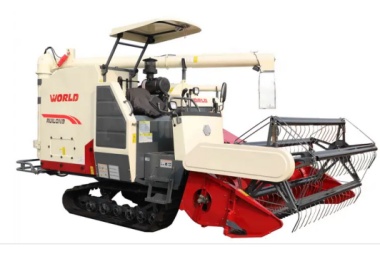
The most obvious advantage of using a combine harvester is the significant increase in efficiency. A machine that combines all the harvesting processes—cutting, threshing, cleaning, and storing—into a single operation can harvest more crop in less time than traditional methods. This is especially important during harvest season when time is of the essence.
Harvesting is one of the most labor-intensive parts of farming. By using a combine harvester, farmers can reduce the number of workers needed for harvesting, allowing them to focus on other tasks around the farm.
Because a combine harvester is designed to harvest the crop efficiently and cleanly, there is less waste compared to manual harvesting methods. The reprocessing of tailings also ensures that minimal grain is lost in the process.
Combine harvesters are versatile machines that can be used to harvest a wide range of crops, from cereals like wheat and barley to legumes like soybeans. With the right header and attachments, a combine harvester can adapt to different crops and farming conditions.
A combine harvester is an indispensable tool for modern farmers, combining multiple harvesting processes into one efficient operation. From cutting the crop to cleaning and storing the grain, it streamlines the entire harvesting process, saving time, labor, and reducing crop losses.
For farmers looking to invest in high-quality, reliable combine harvesters, Jiangsu World Agricultural Machinery Co., Ltd. offers a wide range of options tailored to different farming needs. Their products are designed with cutting-edge technology to ensure high performance, durability, and efficiency in every harvest. Whether you're dealing with large fields or specific crop types, their solutions can help make the harvesting process smoother and more productive.
To learn more about the advanced combine harvesters and agricultural machinery offered by Jiangsu World Agricultural Machinery Co., Ltd., feel free to get in touch with their team and explore the best options suited for your farm’s needs.


