
Views: 0 Author: Site Editor Publish Time: 2025-12-26 Origin: Site


Sugarcane harvesters are specialized machines designed primarily to harvest sugarcane, performing essential tasks such as cutting, stripping, and collecting the crop efficiently. These machines have significantly improved harvesting speed and reduced the labor-intensive nature of sugarcane farming. Beyond sugarcane, modern harvesters are increasingly versatile, capable of being adapted to harvest other crops, such as maize, cotton, and sorghum, with minimal modifications. This adaptability allows farmers to use a single machine across different harvesting seasons, offering great flexibility. The importance of versatility in harvesting equipment lies in its ability to maximize utility, reduce operational costs, and improve overall farm efficiency, especially for large-scale agricultural operations. With advanced technologies and design modifications, sugarcane harvesters now provide an all-in-one solution for multiple crops, making them invaluable tools for modern agriculture.
Sugarcane harvesters can be adapted for maize (corn) harvesting with several modifications. Since maize stalks are typically taller and more robust than sugarcane, the harvester’s cutting mechanism is adjusted to handle these thicker stalks. Modifications may include changing the header to accommodate the row spacing of maize and adjusting the feeding system to ensure smooth delivery of maize into the threshing system. These adjustments allow the harvester to efficiently cut and collect maize, similar to how it processes sugarcane, while maintaining high performance and reducing crop loss.
While cotton is typically harvested using specialized cotton harvesters, sugarcane harvesters can also be used for cotton harvesting with minimal modifications. The harvester’s cutting blades can be adjusted to ensure they don’t damage the cotton plants, and the collection system is optimized to handle cotton bolls without excessive shedding. Using a single machine for both sugarcane and cotton harvesting provides farmers with the benefit of reduced equipment costs and fewer machines to maintain, leading to more streamlined and cost-effective operations.
Rice harvesting with a sugarcane harvester requires additional modifications due to the wet and uneven field conditions often found in rice paddies. The harvester’s header needs to be adjusted to effectively cut rice plants without damaging them, while the collection system must be modified to handle the delicate nature of rice. Some sugarcane harvesters are equipped with adjustable cutting heights and mud-friendly wheels that allow them to navigate flooded or wet rice fields more effectively. These adaptations make sugarcane harvesters a viable option for rice farmers, especially in regions where mechanization is being introduced.
Sorghum, a tall and sturdy crop, can be harvested using a sugarcane harvester with minimal modifications. The key adjustment involves changing the header to suit sorghum’s unique structure and ensuring that the harvester’s cutting blades are sharp enough to handle the fibrous stalks. Sorghum is a robust plant, so harvesting with a sugarcane harvester is straightforward, as it’s similar in structure to sugarcane. With a few mechanical tweaks, sugarcane harvesters can efficiently harvest sorghum, making them a versatile tool for multi-crop farms.
Apart from sugarcane, maize, cotton, rice, and sorghum, sugarcane harvesters can also be adapted to harvest other tall grains and crops like millet, flax, and some varieties of wheat. Depending on the modifications, such as changing the header width or adjusting the cutting mechanism, these harvesters can be used for a variety of tall, sturdy crops. The versatility of the machine makes it an ideal option for farmers who cultivate multiple crops, allowing them to use a single harvester for various harvesting tasks, further improving efficiency and reducing operational costs.
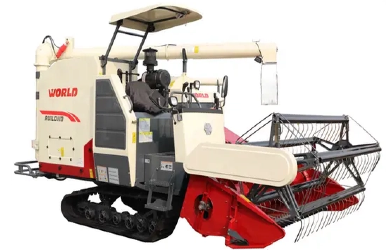
To increase versatility, sugarcane harvesters can be modified for harvesting a variety of crops like maize, cotton, rice, and sorghum. These adaptations are essential for optimizing the harvester’s performance for each specific crop.
Changing the Cutting Mechanism: The cutting blades can be adjusted to accommodate different crop stalks. For example, maize requires stronger blades, while cotton harvesting needs a more delicate cutting system to avoid damage to the cotton bolls.
Adjusting Header Configurations: The header is customized based on the crop type. For rice, a grain header is used, while row crop headers are suited for maize. The header width and cutting height are adjusted accordingly to optimize crop collection.
Enhancing the Collection System: The collection system is modified to suit the crop’s characteristics. For instance, cotton requires a more gentle system to prevent damage, while sorghum requires a more robust collection mechanism to handle its fibrous nature.
Modifying a sugarcane harvester for multiple crops offers several benefits:
Cost-Effectiveness: Farmers can save on equipment costs by using one machine for different crops, reducing the need to purchase multiple harvesters.
Increased Efficiency: A single, versatile harvester reduces downtime between harvesting different crops, streamlining the process and ensuring timely harvesting.
Lower Maintenance Costs: Maintaining one machine is more economical than servicing multiple specialized harvesters, lowering overall maintenance costs.
Flexibility: Multi-crop harvesters provide farmers with the flexibility to adapt to different crops, weather conditions, and harvesting schedules, maximizing farm productivity.
One of the primary economic benefits of multi-crop harvesters is the significant cost savings they provide. By using a single harvester for various crops, farmers reduce the need to invest in multiple specialized machines, which can be expensive. The initial investment for one versatile harvester is much lower than purchasing separate machines for each crop type. Additionally, the maintenance costs are also lower, as farmers only need to maintain one machine, leading to reduced servicing expenses and fewer spare parts needed over time.
Multi-crop harvesters greatly improve harvesting efficiency by enabling farmers to seamlessly switch between different crops without downtime. With the right modifications, a sugarcane harvester can be easily adapted to handle different crops like maize, cotton, rice, and more. This ability to quickly adjust to various crops ensures timely harvesting, which is crucial to prevent crop loss and maximize yield. The flexibility of a multi-crop harvester leads to better farm management, as the machine can be used year-round, reducing delays and keeping operations running smoothly.
Using a multi-crop harvester results in labor savings for farmers. Instead of hiring different operators for each type of harvester or each crop season, a single operator can manage one machine across multiple harvesting seasons. This reduces the number of workers required for harvesting tasks, leading to lower labor costs. The ability to rely on one machine for different crops also minimizes the complexities of managing a large fleet of harvesters and streamlines labor efforts, resulting in more efficient and cost-effective farm operations.
Yes, a sugarcane harvester can be adapted to harvest maize. This involves making adjustments to the cutting mechanism to accommodate the thicker, sturdier maize stalks and modifying the header width to match the row spacing of maize. These modifications enable the harvester to efficiently cut and collect maize without causing crop damage.
To harvest cotton, the cutting blades of the sugarcane harvester are adjusted to ensure they don’t damage the cotton plants, while the collection system is optimized to handle the cotton bolls without excessive loss. This makes it possible to use a single harvester for both sugarcane and cotton, saving farmers the cost of purchasing separate machines.
Yes, rice can be harvested with a sugarcane harvester, but some modifications are required. These include adjusting the cutting height and ensuring the machine is capable of handling the wet field conditions typically associated with rice paddies. The collection system is also adapted to handle the delicate nature of rice crops, ensuring minimal damage and maximum yield.
The main advantage is cost efficiency. By using one machine for different crops, farmers can reduce the need for multiple specialized harvesters, cutting down on both equipment investment and maintenance costs. Additionally, the ability to harvest various crops with a single harvester boosts productivity, as it eliminates the need to purchase, store, and maintain separate machines for each crop. This versatility also streamlines farm operations, making it easier to manage the harvest season.
To sum up, sugarcane harvesters are highly versatile machines capable of efficiently harvesting not only sugarcane but also a variety of other crops, such as maize, cotton, and rice. By making the necessary adjustments to the cutting mechanism and collection system, these harvesters can be adapted to handle different crops, offering farmers the benefit of using a single machine for multiple purposes. The versatility of these machines plays a crucial role in reducing costs and increasing efficiency, allowing farmers to streamline their operations, lower equipment investment, and minimize maintenance needs. By leveraging the adaptability of multi-crop harvesters, farmers can maximize productivity and improve the overall profitability and sustainability of their farming operations.


